

Space Systems
Applications for Space Systems are now open! Apply by September 19th at 11:59pm!
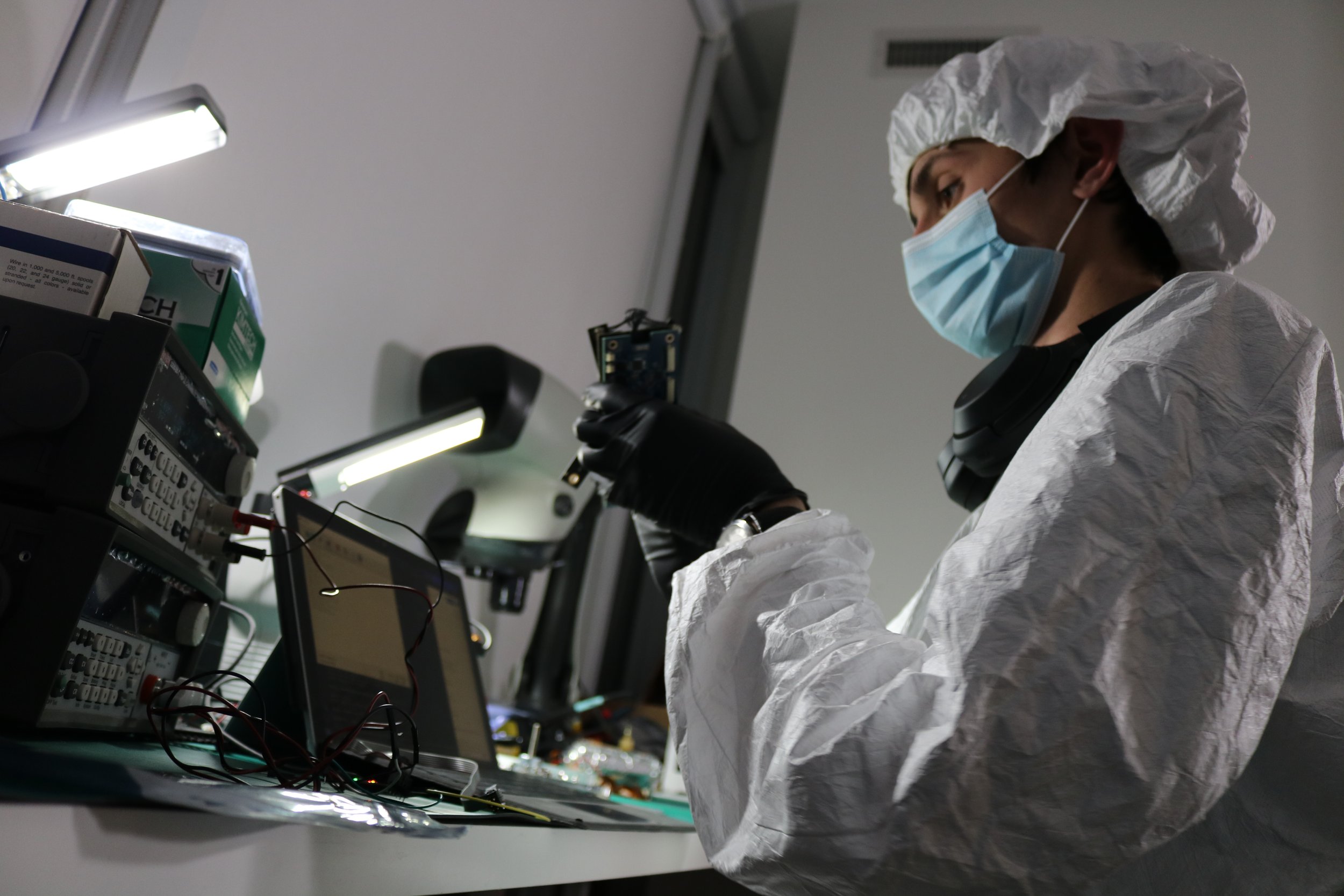
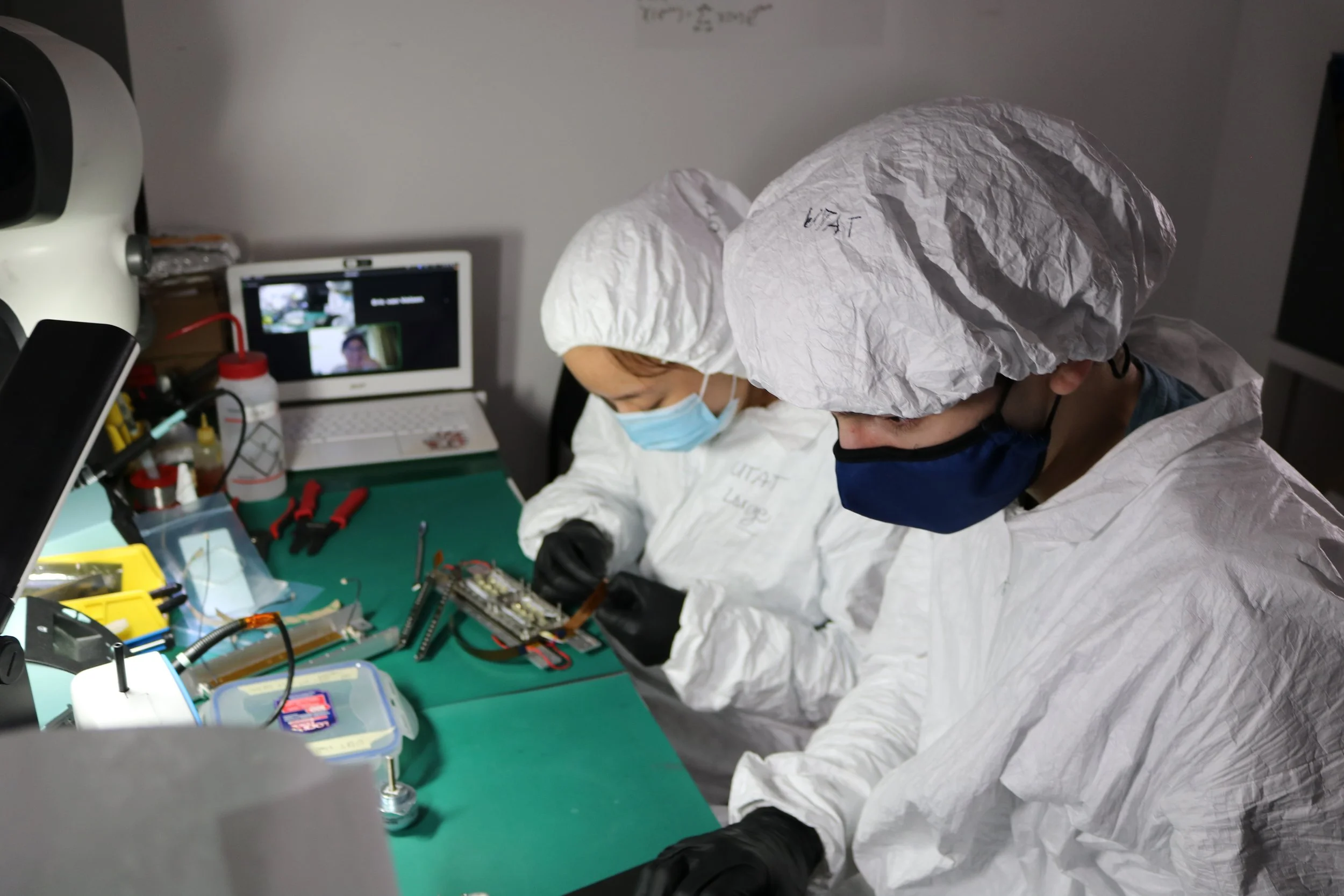
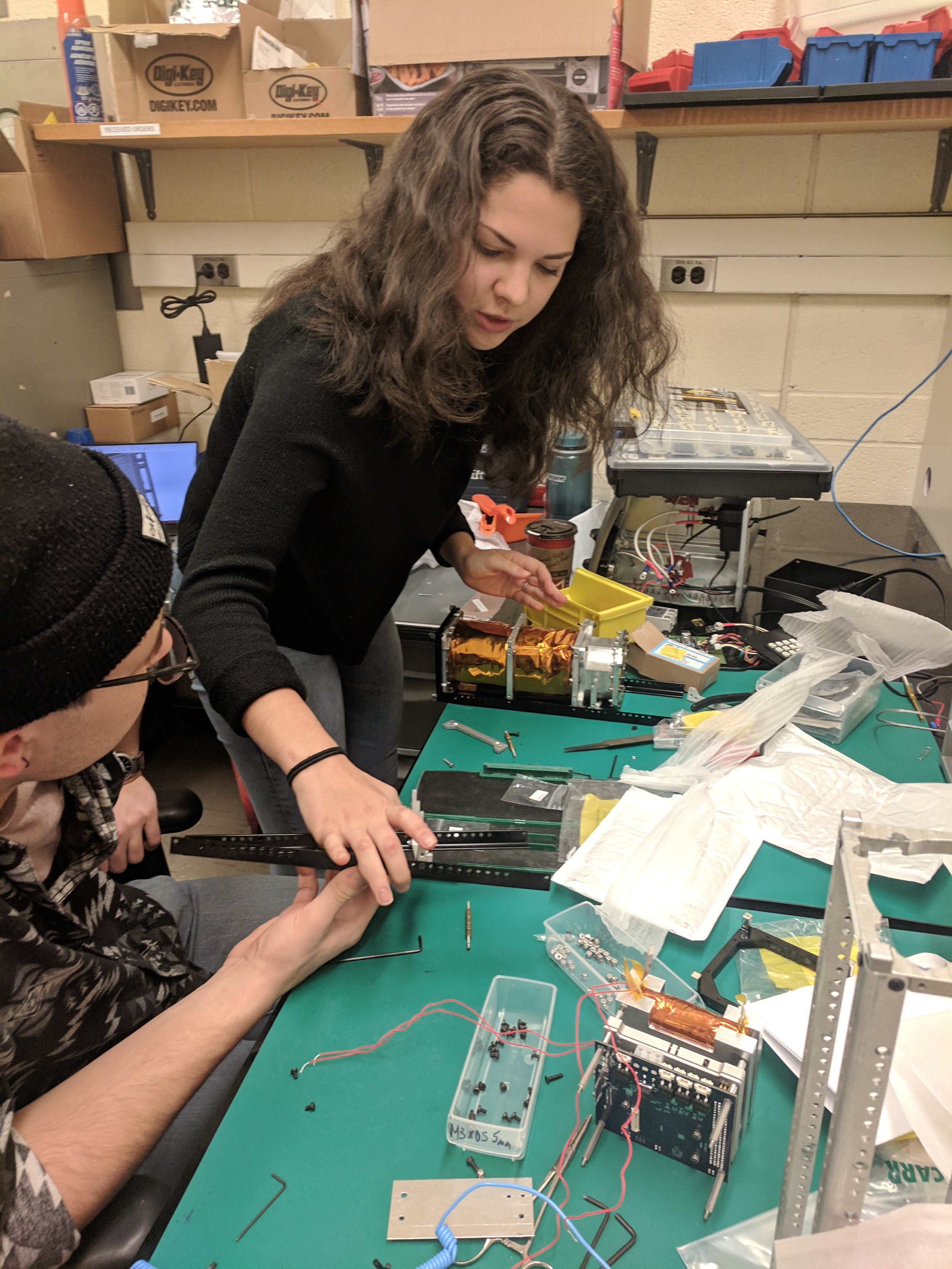
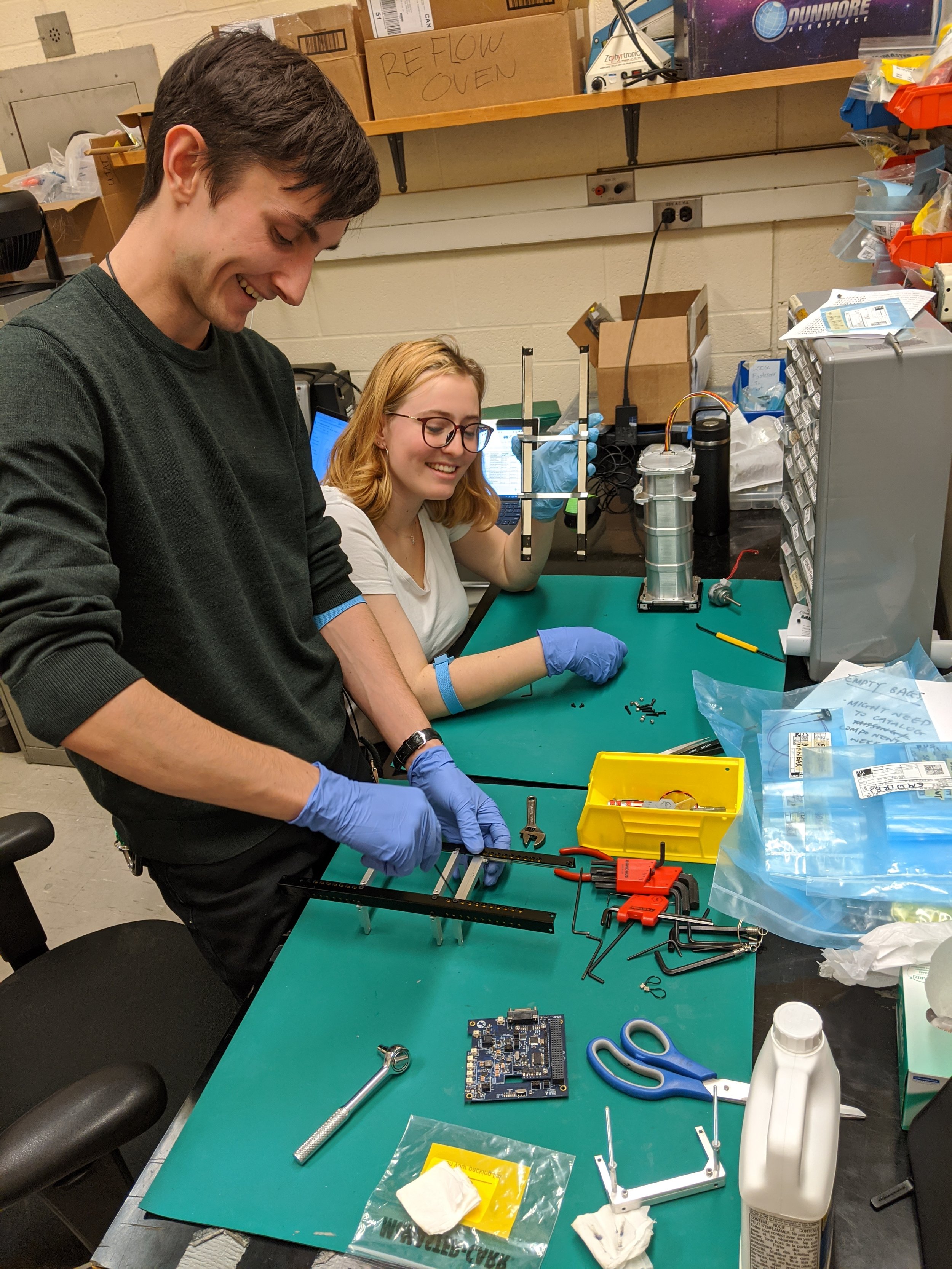
The Space Systems division builds and launches CubeSats for scientific missions - our main goal is to provide educational opportunities to students in spacecraft design, assembly, testing, operation, mission planning and leadership.
We are passionate about designing systems that test novel designs, address scientific gaps, and help life on Earth improve. Our designs are open-source for other teams to improve on; our division is fully student-funded the University of Toronto Engineering Society (EngSoc).
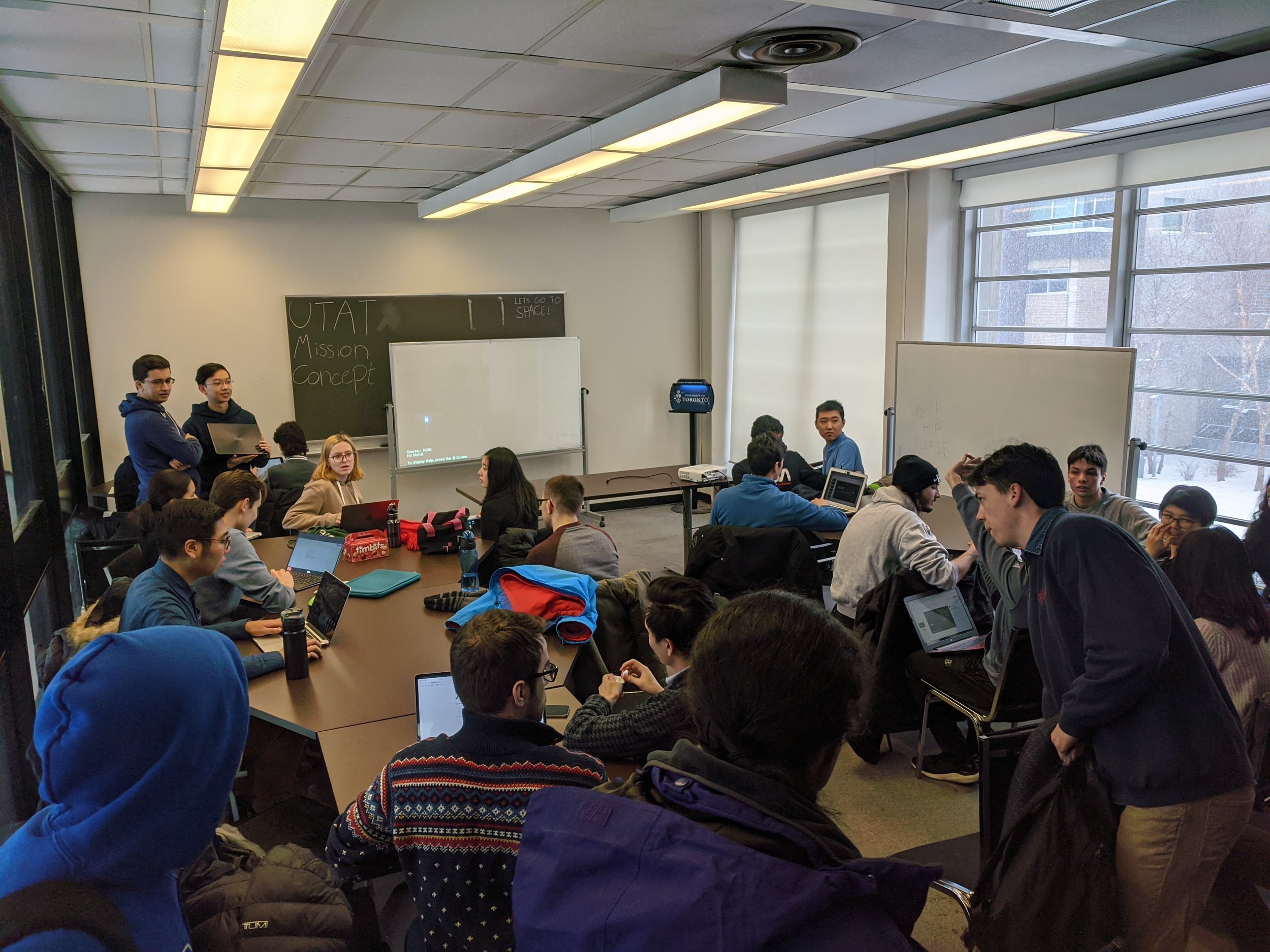
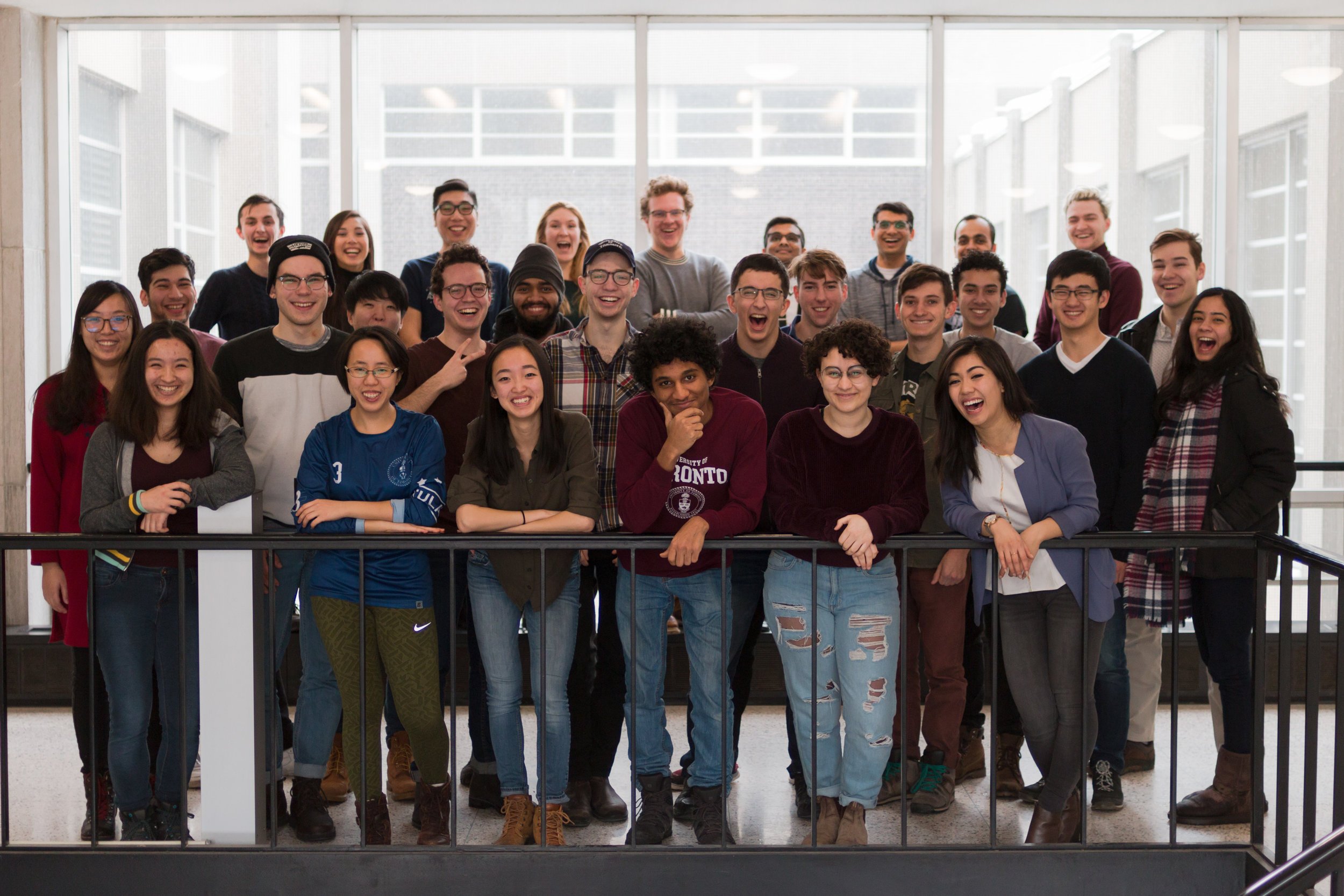
UTAT Space Systems is a no-barrier team - we recruit from all engineering disciplines and from other faculties as well, to pull together a wide knowledge base. We believe in giving members ownership of their works, and making sure that our members contribute uniquely to our missions.
Project Overview
FINCH
The Field Imaging Nanosatellite for Crop residue Hyperspectral mapping (FINCH) mission is a 3U CubeSat mission designed to conduct a technological demonstration of crop residue mapping from the Low-Earth Orbit.
The two primary goals for this mission are:
Performing a technological demonstration of the first Volume Phase Holographic (VPH) grism in a small form-factor
Providing a proof of concept for crop residue mapping using hyperspectral short wave infrared
(SWIR) satellite remote sensing
Since 2020, the FINCH mission has gone through its mission scoping and high-level design phase. We are jumping into the detailed design phase now, full of rapid prototyping and proofs-of-concept in all areas of the team. FINCH is aiming to innovate with its novel payload design, and integrating high-performance components in all subsystems to make sure we get the best payload data we can.
FINCH is projected to launch in Q3 2028.
-
2019 - FINCH Kickoff! The name of the satellite is chosen from the Satellite Idea Competition
2020 - Space Systems chooses a remote sensing mission profile. Mission scoping begins
April 2021 - High-Level Design for FINCH begins
March 2022 - Detailed Design for FINCH begins
HERON Mk. II
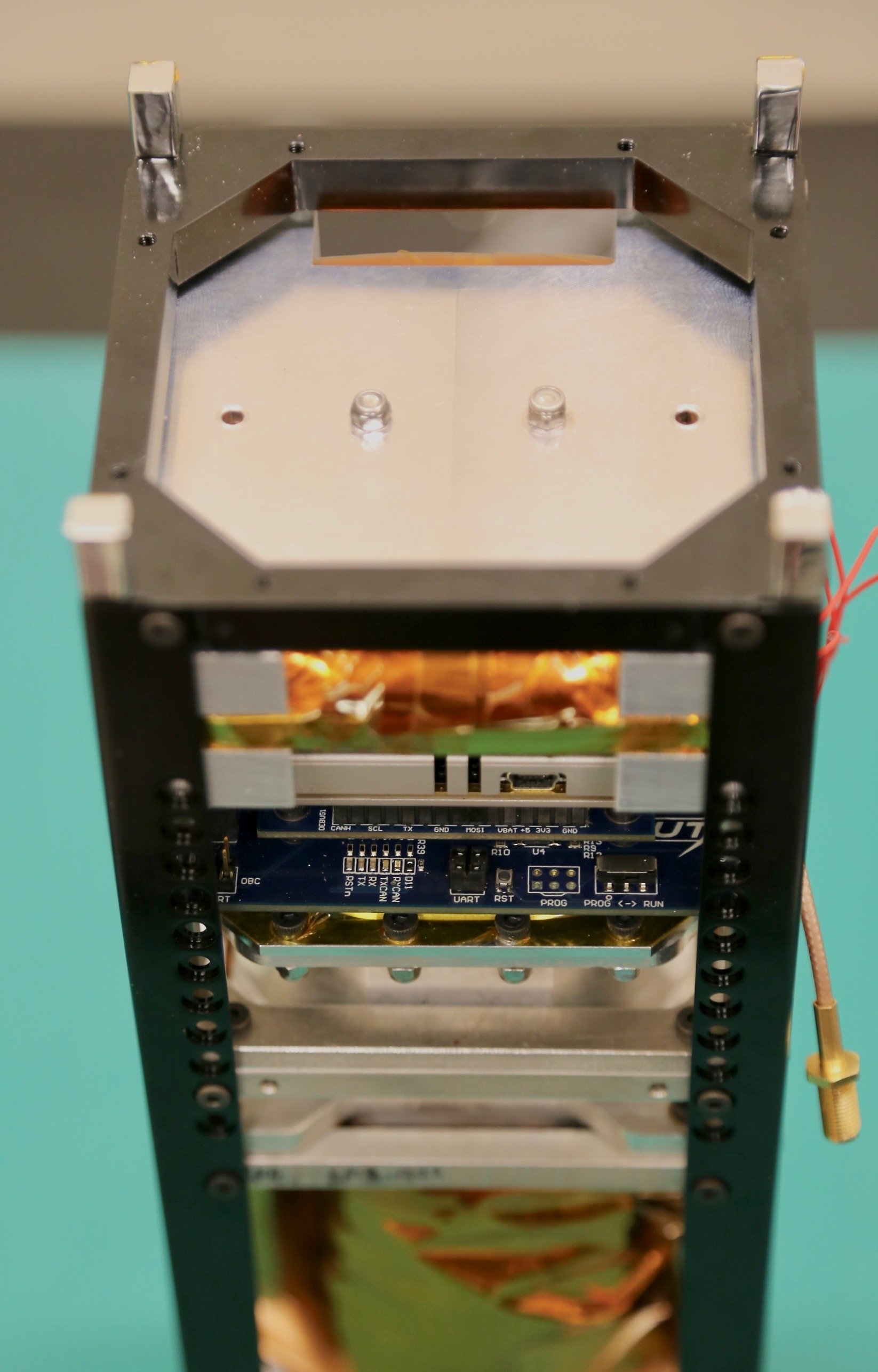
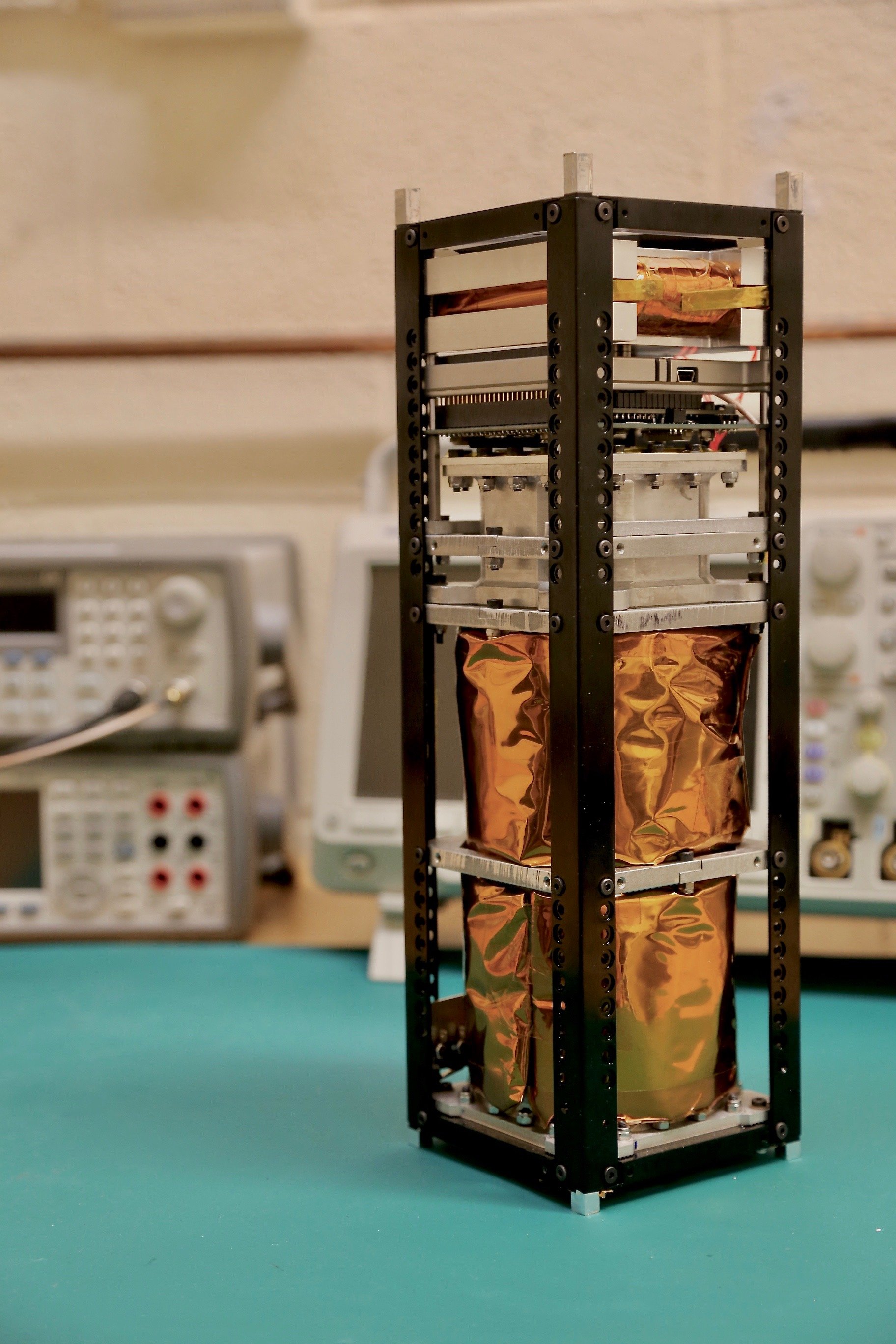
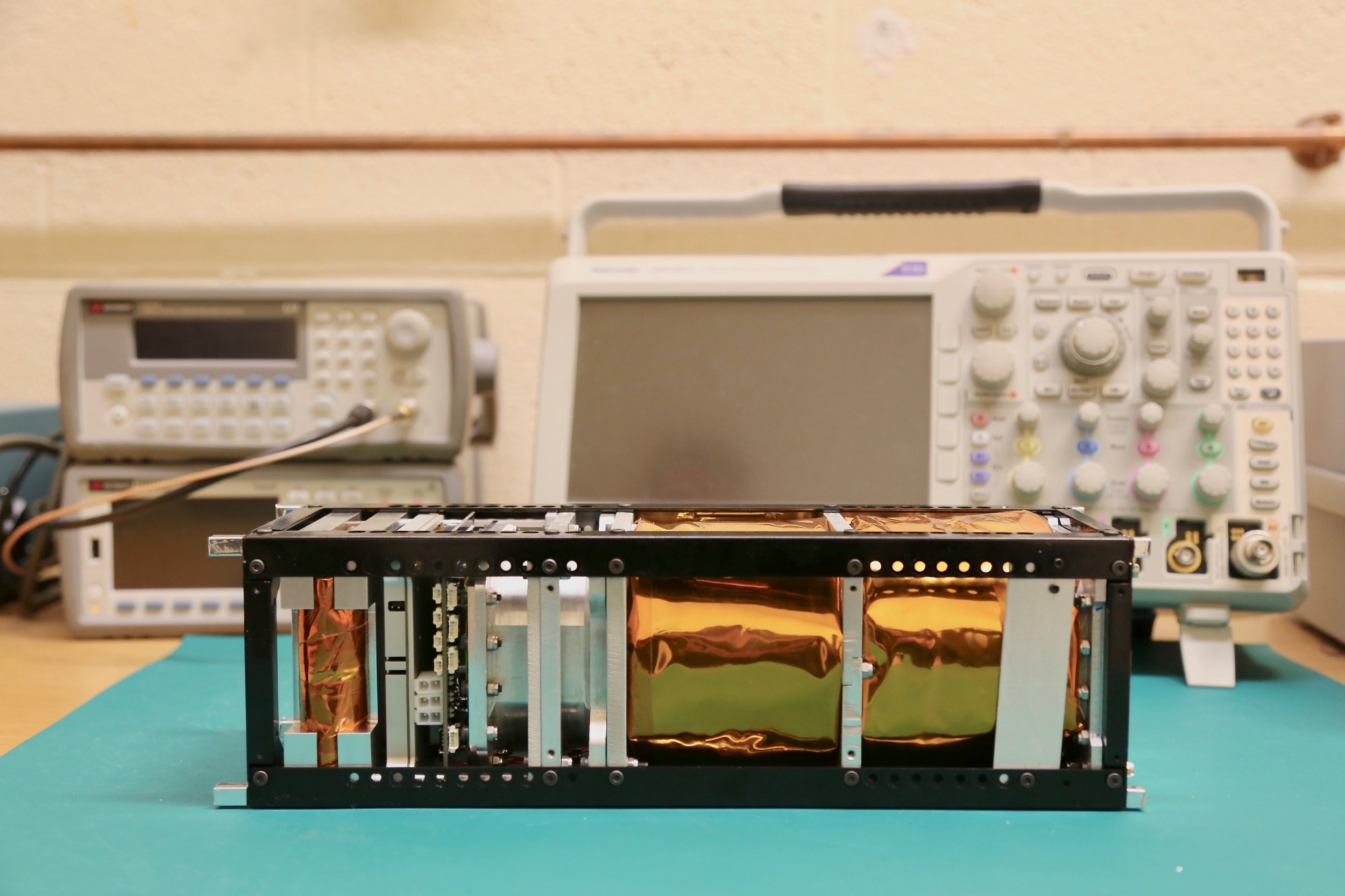
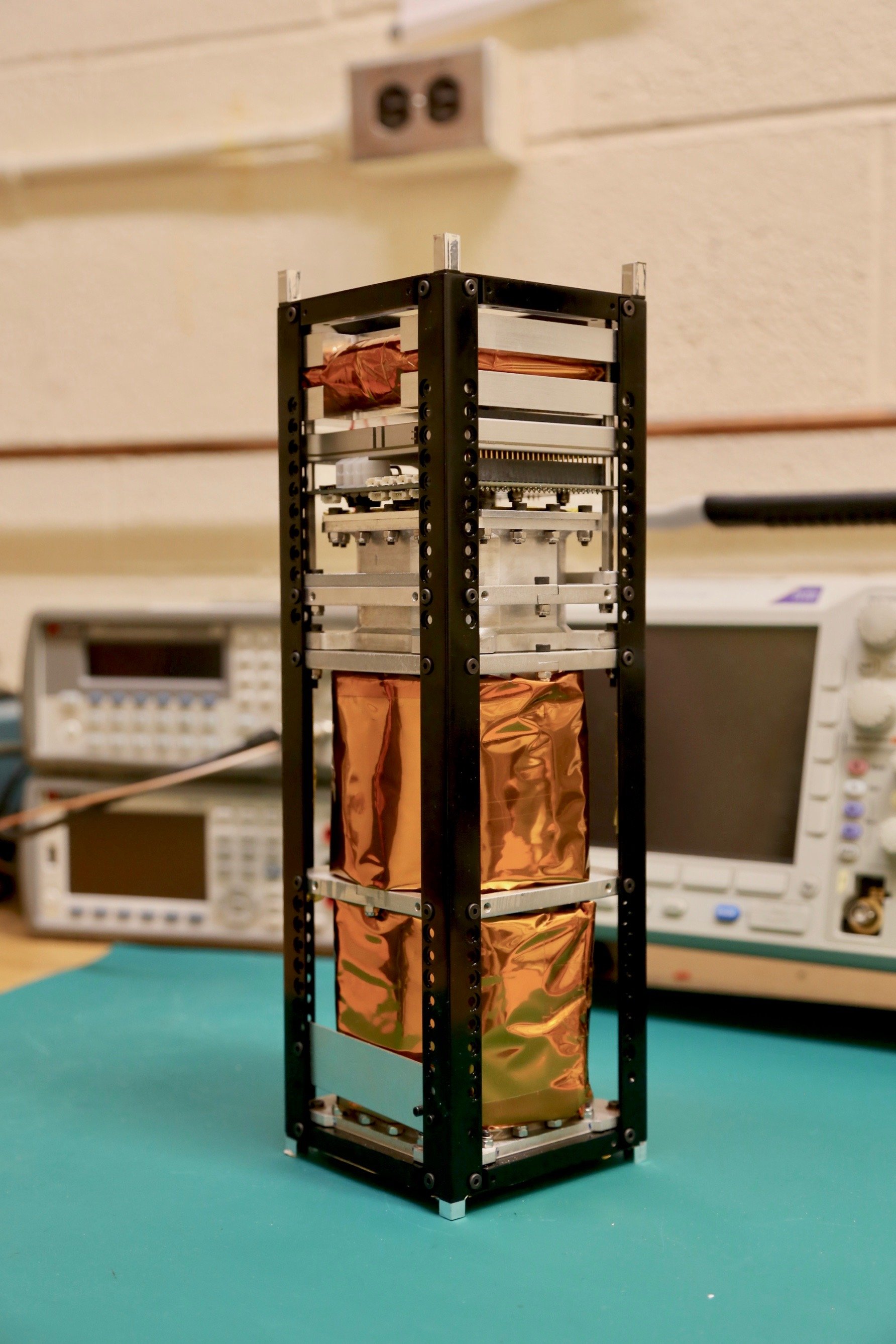
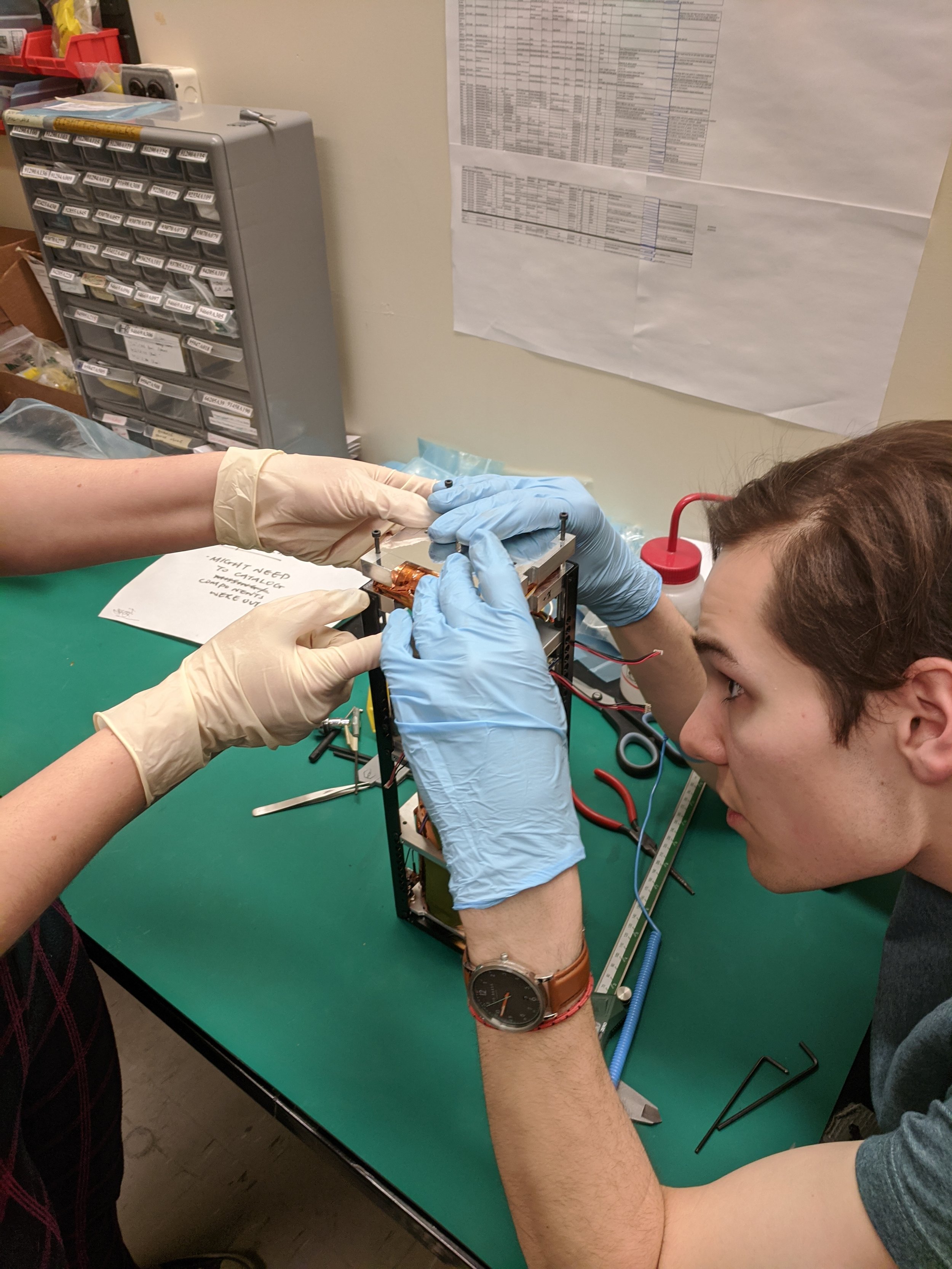
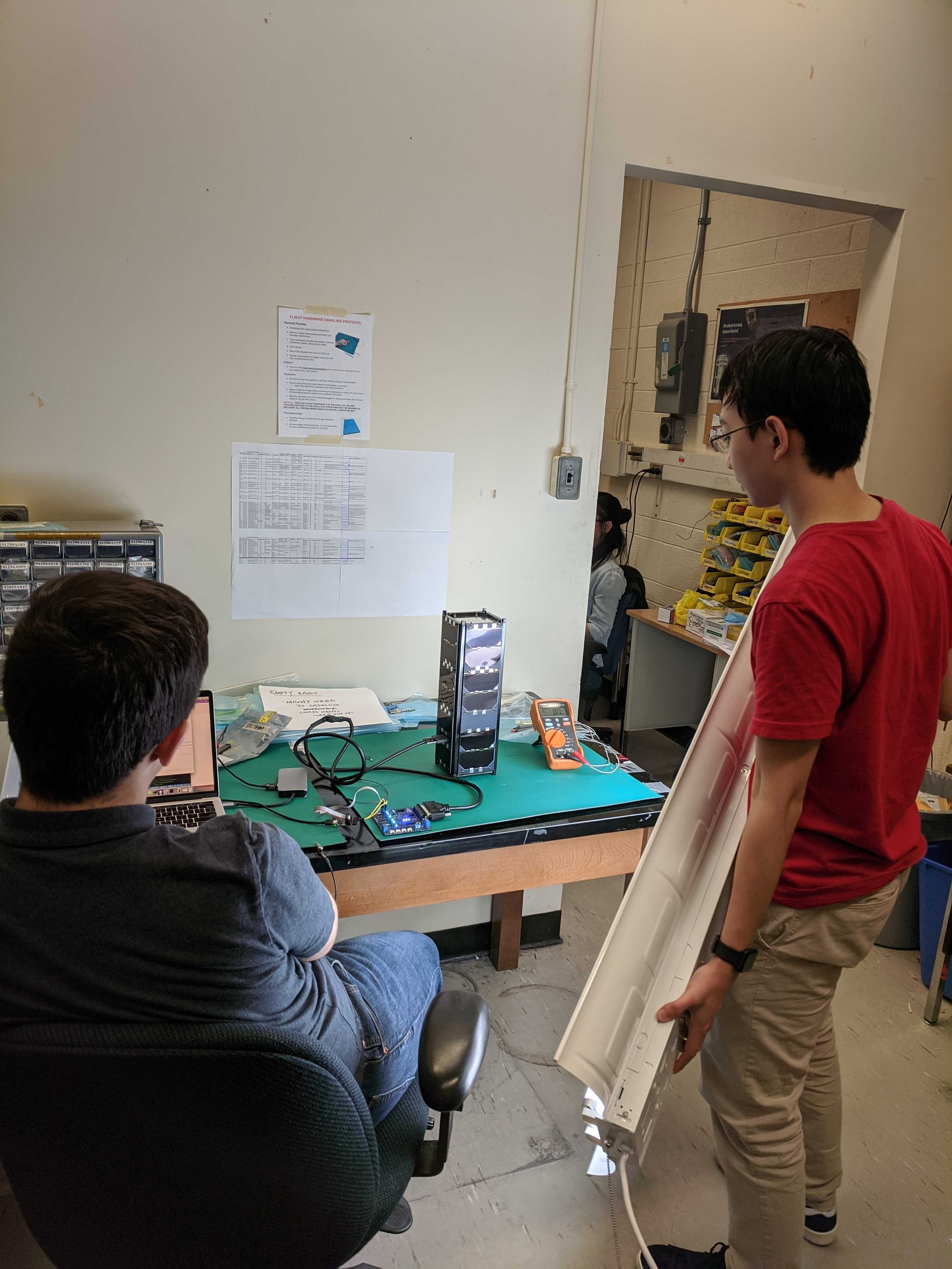
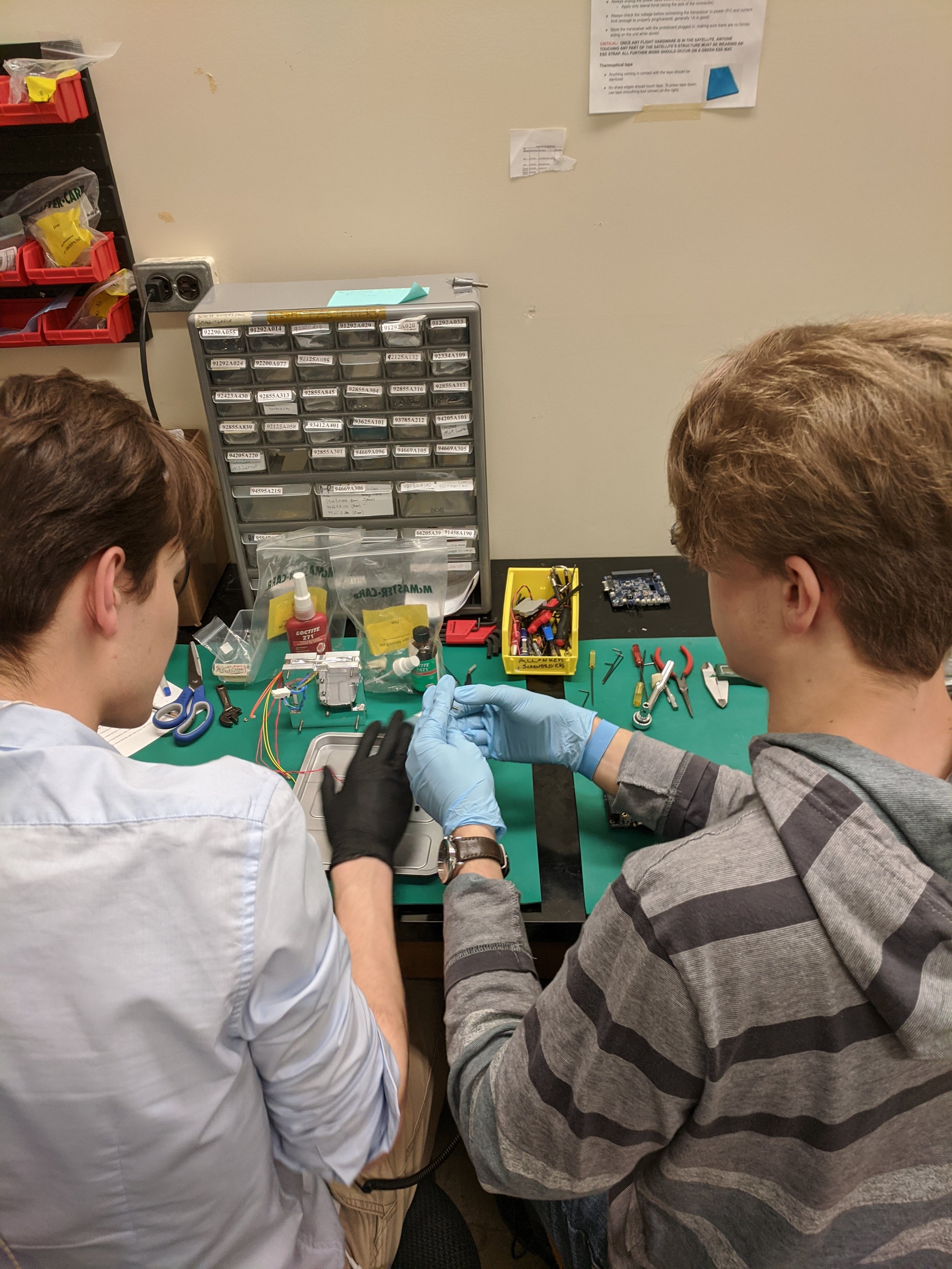
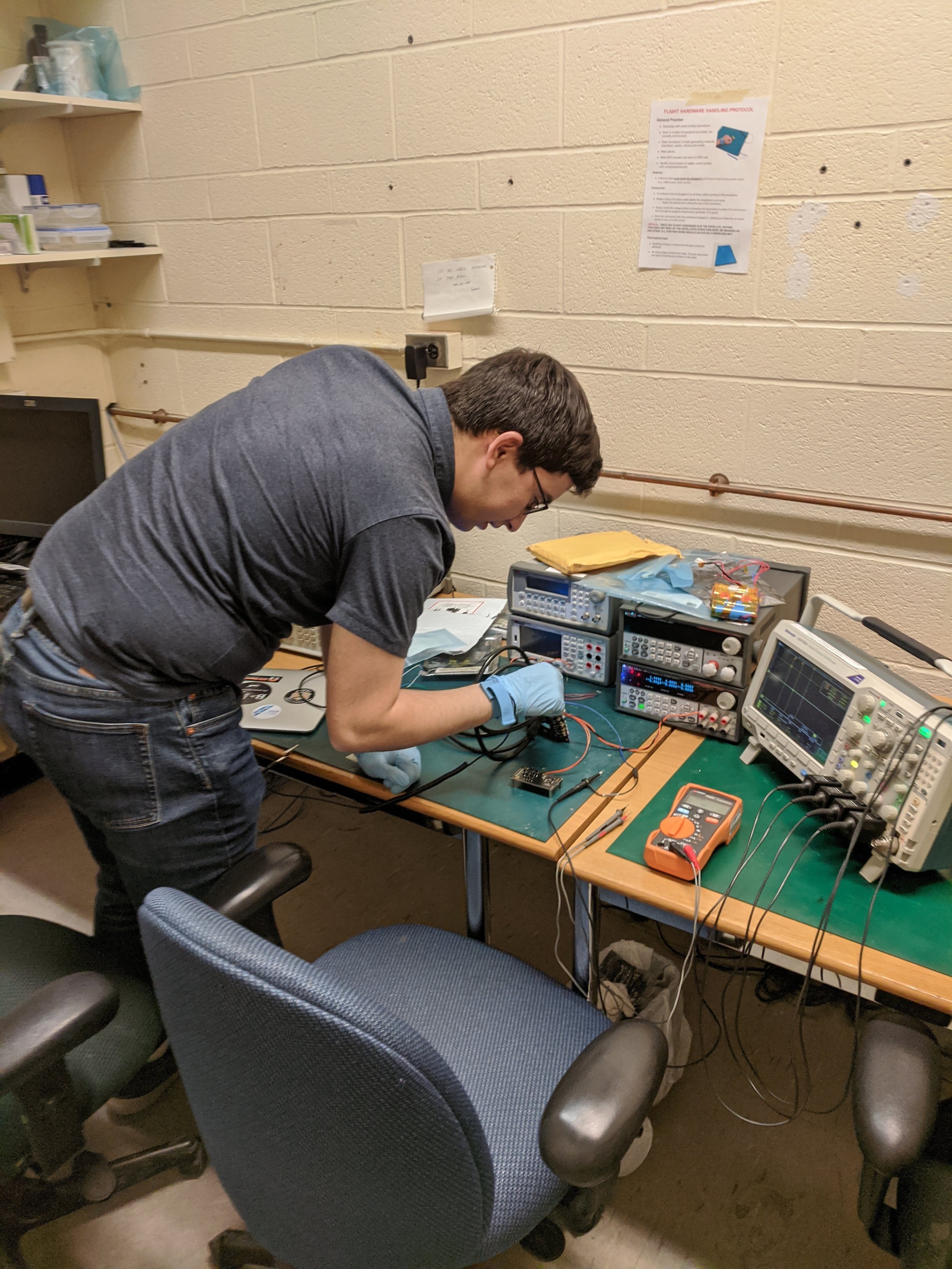
The Space Systems division is proud to present the HERON Mk. II satellite, the first fully student-built and student-funded satellite in Canada.
HERON Mk. II was launched and deployed into Sun-synchronous orbit on November 11th, 2023, during the SpaceX Transporter-9 mission aboard a Falcon 9 rocket.
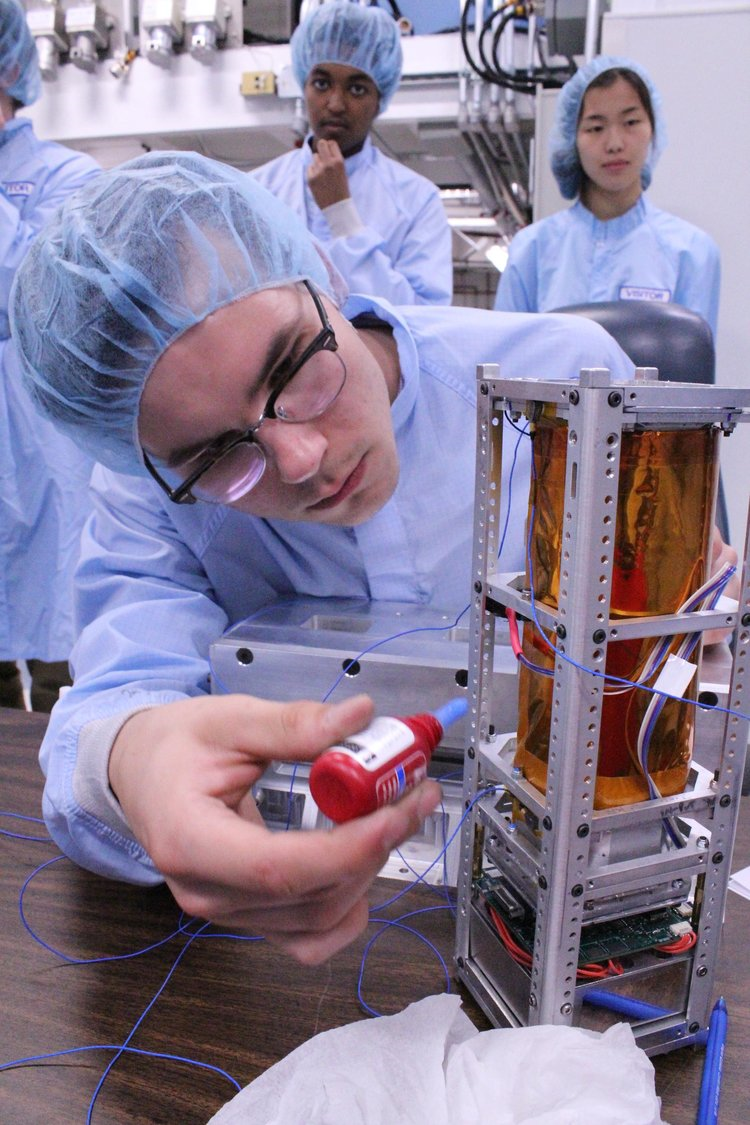
As primarily an educational and self-training mission, there have been many learnings along the way—developing an amateur radio ground station, establishing robust design and testing practices, and much more. As a secondary mission, HERON will validate our open-source electronics and mechanical design.
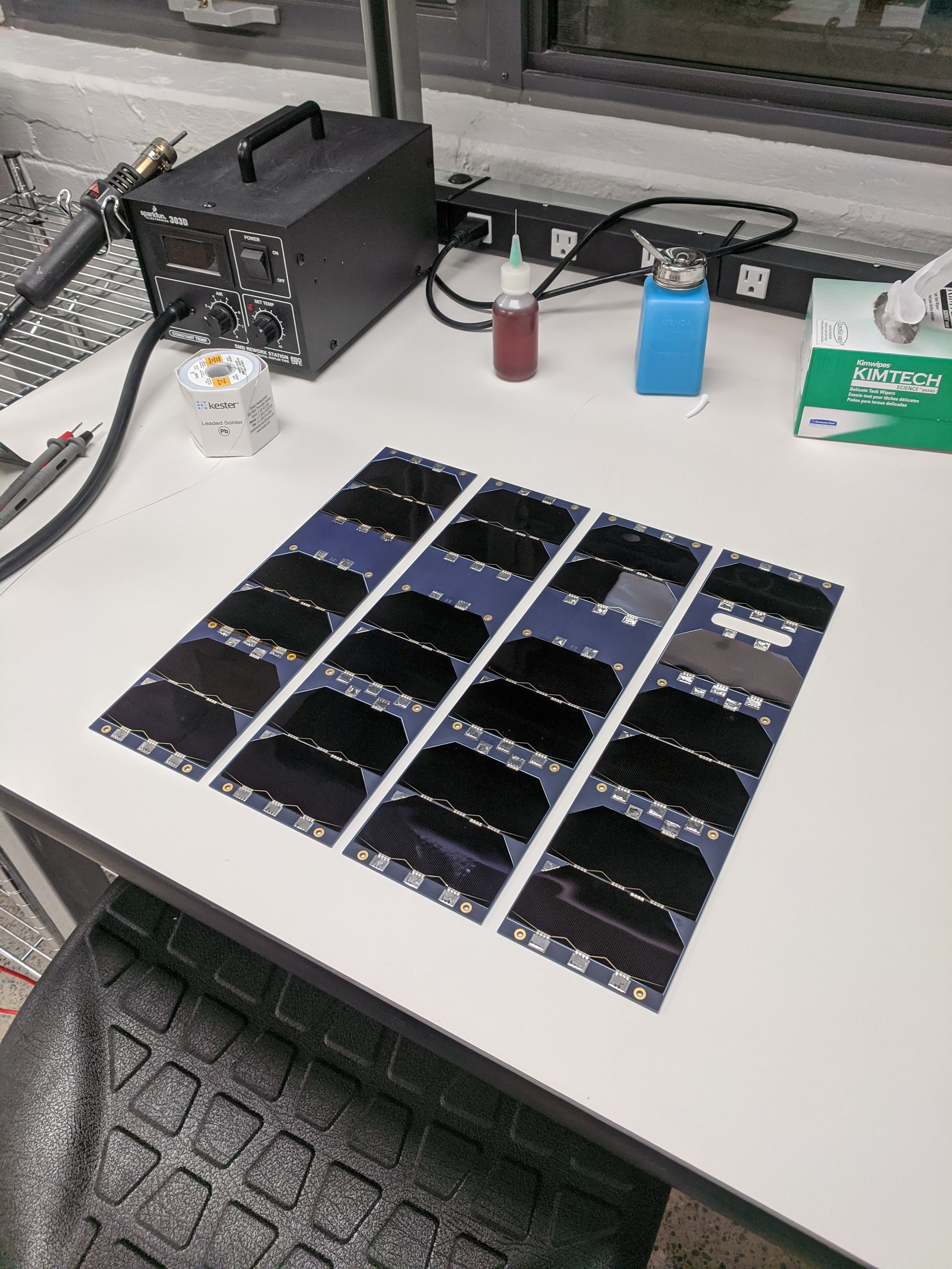
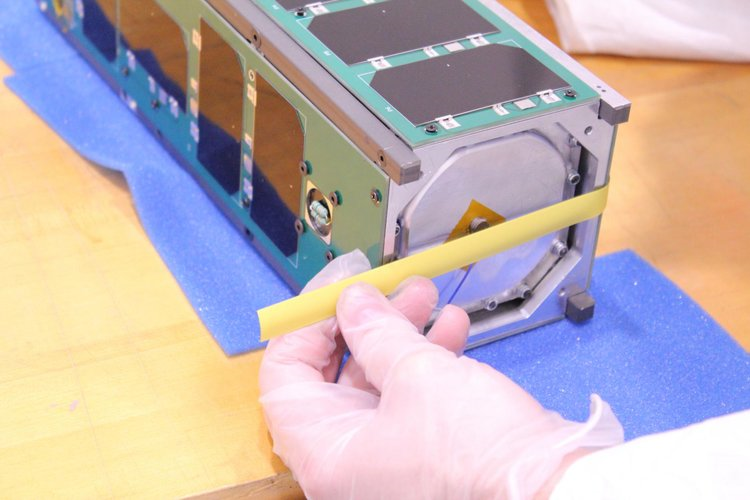
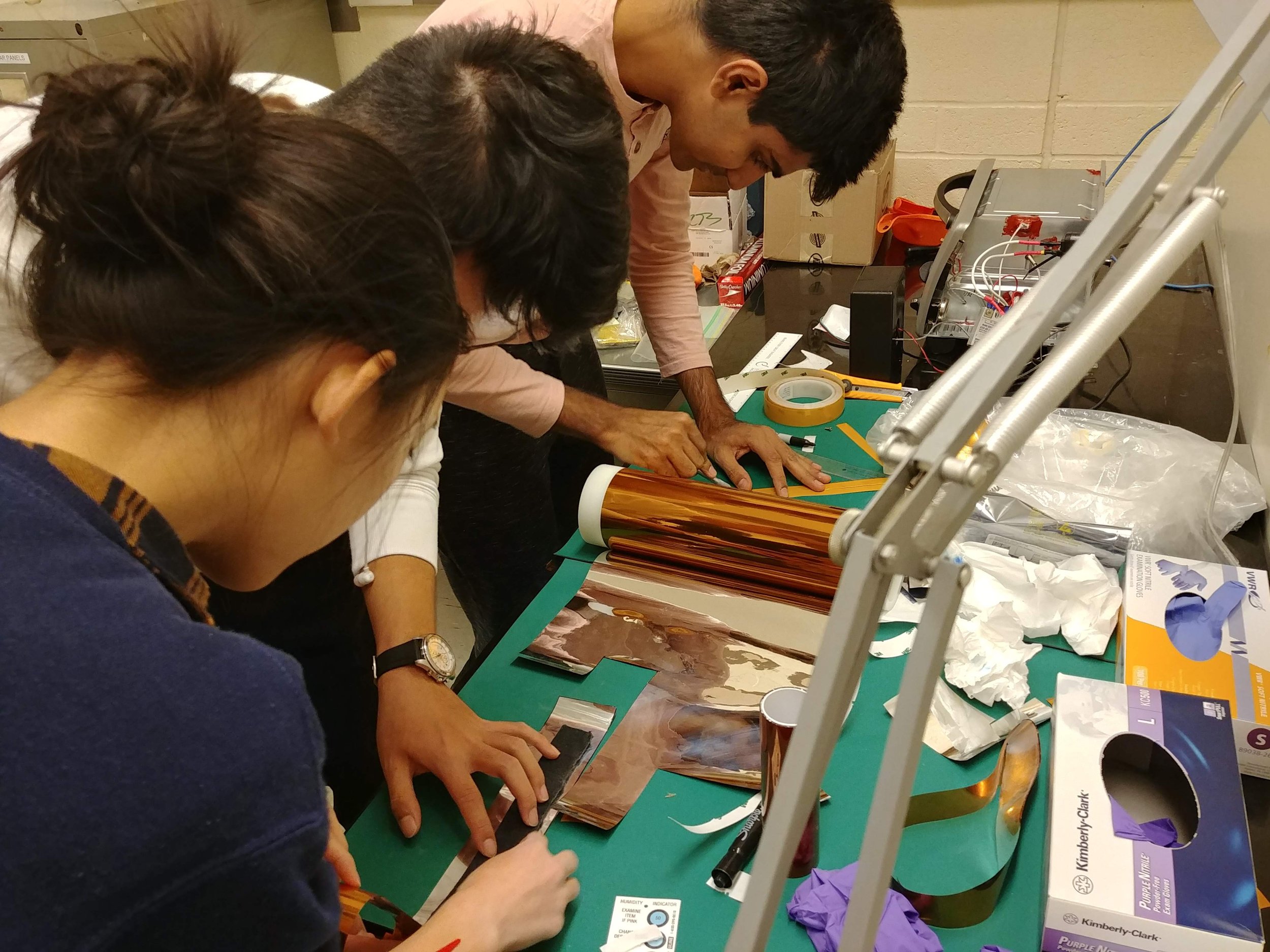
HERON’s mechanical design (MECH) includes a passive magnetic attitude control system, thermal insulation system, and standardized 3U CubeSat structural design. The main electronics design (BUS) includes an electrical power system with solar arrays, UHF band communication system, and on-board computer with custom firmware.
In 2021, the Space Systems division finished the development of the amateur radio satellite HERON in preparation for hand-off and launch. Since 2017, the team has been designing HERON as the team’s first-ever CubeSatellite in the hopes that future satellites and radio amateurs will use and modify our open-source designs.
Currently, the HERON project is focused on the launch and operations phase by coordinating with our launch provider and testing our own ground station. We are looking for members with programming experience, interest/experience in amateur radio communications, and an interest in spacecraft operations.
HERON acts as a WORD on the UHF band and is available to amateur radio operators across the world.
For more details on the satellite project, please consult the link below:
-
2016-2018 - Space Systems designs and builds HERON Mk. II for the 4th edition of the Canadian Satellite Design Challenge.
2017 - Space Systems secures UTSU levy to fund launch of HERON Mk. II.
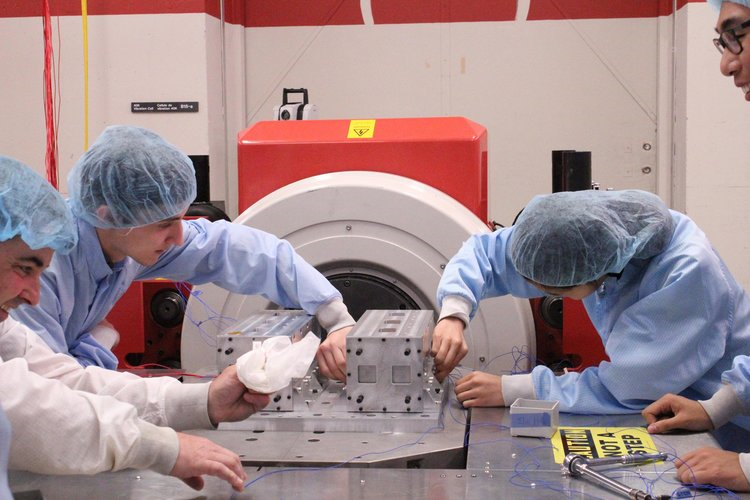
June 2018 - HERON Mk. II vibration testing conducted at DFL as part of CSDC.
2019 - Space Systems succeeds in getting UTSU levy renewed.
Fall 2019 - HERON Mk. II softstack takes place.
February 2020 - HERON Mk. II bakeout and TVAC conducted at MDA in Brampton, Ontario.
2021 - Space Systems succeeds in getting UTSU levy renewed a second time.
March ~ April 2021 - HERON Mk. II final assembly (hardstack) takes place.
June 2021 - HERON Mk. II flight model vibration testing conducted at NTS in Kitchener, Ontario.
October 2021 - Mission objectives changed to emphasize educational objective, in order to increase team’s experience with amateur radio communications.
Summer 2022 - HERON ground station assembly begins
August 2023 - HERON Mk. II deployer integration in Bellevue, Washington.
November 11th, 2023 - Spacebound! HERON Mk. II launches from Vandenberg Space Force Base on the SpaceX Transporter-9 rideshare mission aboard a Falcon 9 rocket.
HERON Mk. I (Retired)
-
2014-2016 - HERON Mk. I CubeSat developed and constructed
2017 - Poster presentation at NASA AAQ in Huntsville, USA, followed by retirement of the demonstrator



Why Amateur Radio?
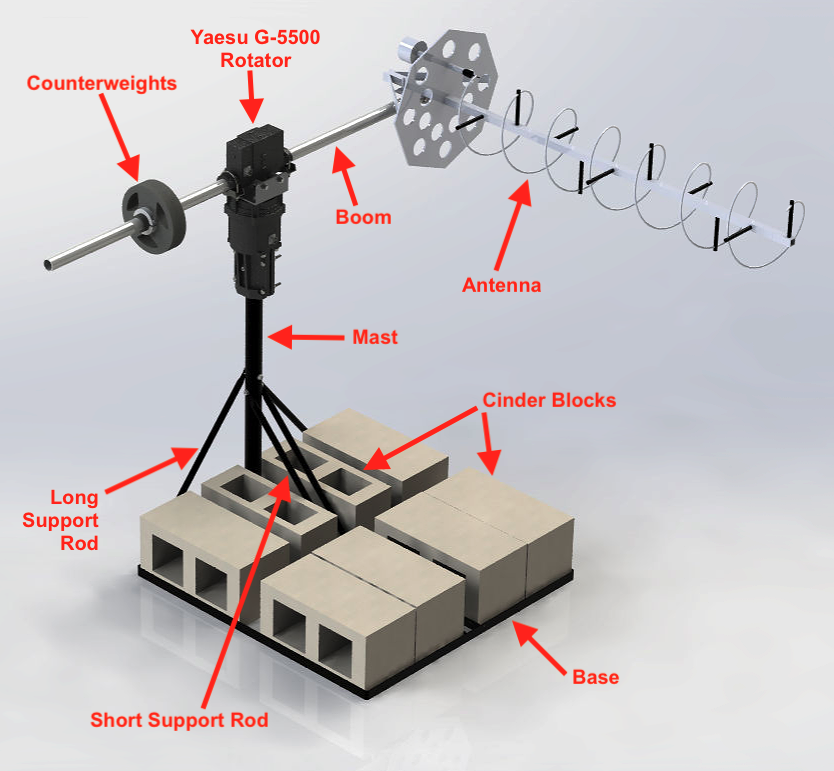
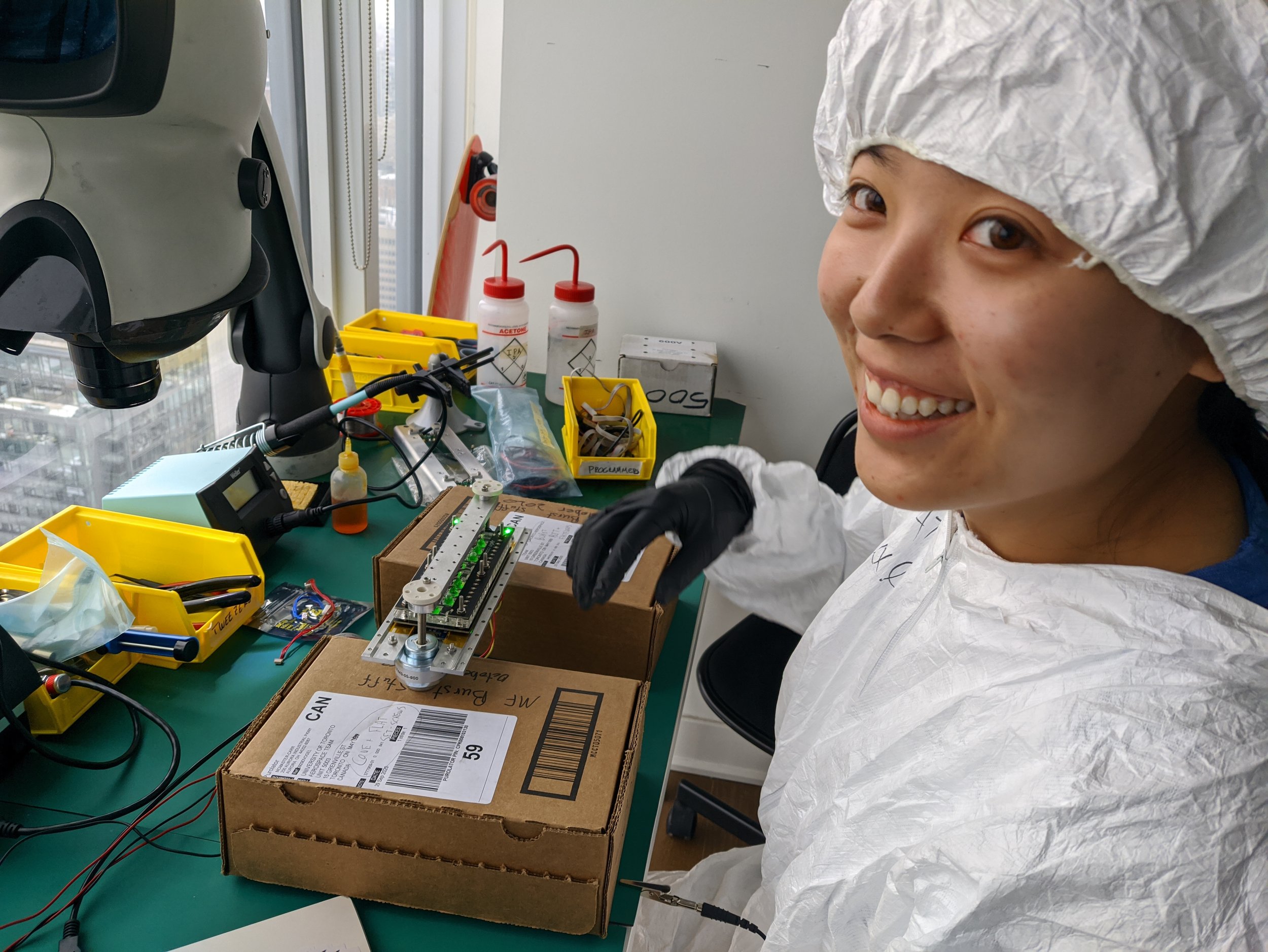
A key educational objective for the HERON Mk. II mission is to provide amateur radio training and amateur satellite operations experience to our members. To this end, we have a training program for UTAT Space Systems members that makes significant use of the Amateur Basic and Advanced content. While this training is primarily for new Communications members, others on the team are welcome to participate. It is our goal that HERON will further the development of the amateur radio community in Toronto and beyond: our designs are publicly available, and amateur operators from around the world will be able to receive telemetry data from HERON as well as use our ground station via the SatNOGS network.
New members learn the basics of RF Communications starting with the knowledge required for Basic licensure, and pass the Amateur Radio exam so they can operate our amateur ground station and help design RF components under the guidance of the Communications lead. Keener members are encouraged to study for the Advanced licensure as this content is what they will learn over the course of the HERON and FINCH missions, and will allow them to further assist with communications in the amateur band using our ground station.
Teams and Sub-teams
FINCH Sub-teams
Systems
The highway that links the team and the FINCH design. Manage design decisions and interfaces (points of connection) across FINCH using systems thinking, and making the assembly and testing plans for the satellite.
Science
The role of the Science sub-team is to develop rigorous methods of validating design decisions which affect the Scientific value of the satellite. These methods involve forward model simulations, the development of data analysis pipelines (including machine learning), and close cooperation with our partners at the Agriculture and Agri-Foods Canada (AAFC) and EMILI Agriculture Innovation for ground truth campaigns each Spring and Fall
Mission Operations
Collective of members who work together in collaboration with other subteams to establish how FINCH will work in space, and how that translates for the firmware, power, RF, electronics, and ADCS teams. We look at modes of operation and risk mitigation through FDIR/FMEA analysis to conduct a smooth mission.
Data Processing
Develop code in Python to correct various sources of noise in our data after it’s downlinked from FINCH.
Hardware
Develop the space-grade PCBs that will make FINCH work. From the schematic to board layout and testing, we design and test our boards in-house.
Firmware & CDH (Command & Data Handling)
Write the code that keeps FINCH running. Working at a lower level than the software most people are familiar with, we build fast, reliable interfaces between power, the camera, sensors, actuators, radios, thermal, and more.
RF (Radio Frequency)
Design and test the radio-frequency communications signal chain so we can command FINCH from the ground and pull data from the satellite.
Mechanical
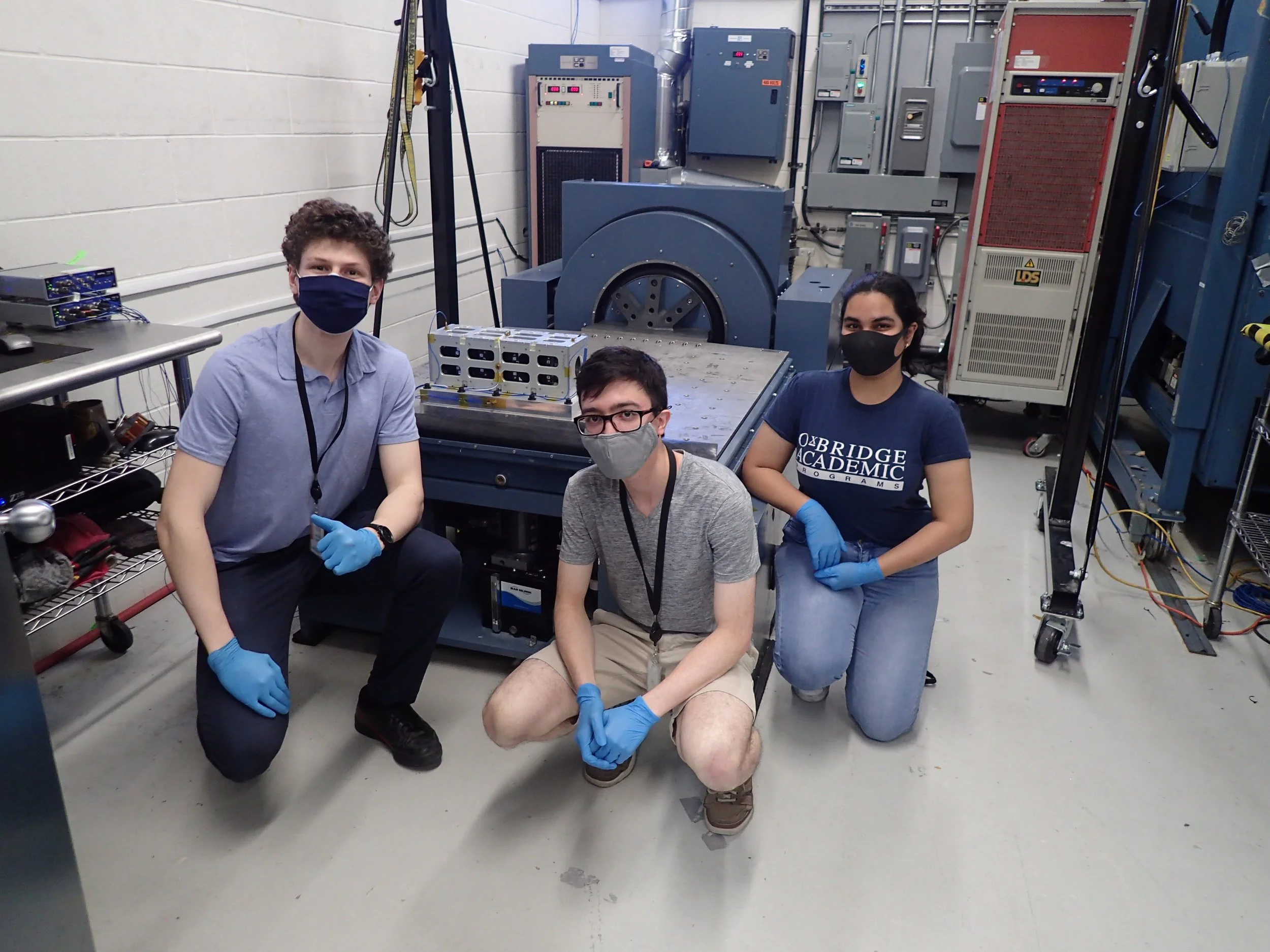
Develop the satellite structure, ensuring everything fits and we follow the launch provider’s mass and volume requirements. Undertake vibration testing to ensure we can withstand the vibrations and forces that come with the launch!
Thermal
Protect FINCH against the crazy thermal loads on orbit and hold each component at optimal temperatures to make the satellite work. Put the satellite through thermal vacuum testing to verify its operations in space!
Opto-Mechanical
Optimechanical is focused on the design of the hyperspectral imager housing, where the magic happens! It contains the Payload Electronics and Optics teams. Recommended for those who want to learn about many satellite functions working together, and contribute to a cutting-edge payload design for scientific and technological research.
ADCS (Attitude Determination and Control Systems)
Responsible for ensuring the spacecraft is pointed in the correct direction at any given time, using a system of sensors, actuators, and algorithms.
Power
Design and test the power generation, storage, and distribution circuits for FINCH.
How to Join
Space Systems accepts new members primarily during the first few weeks of September, January and May. To join during one of these primary onboarding cycles, please fill out the sign-up form linked below:
For any questions, or to join outside of primary onboarding times, please email the Director of Space Systems at spacesys@utat.ca
No applications or resumes are required!
Just let us know what your interests are, and we will help you get onboard during the next recruitment cycle.
See Also
Our Open-Source Work
Check out our brand Notion workspace and Github to learn more about our work!
Our Conference Publications
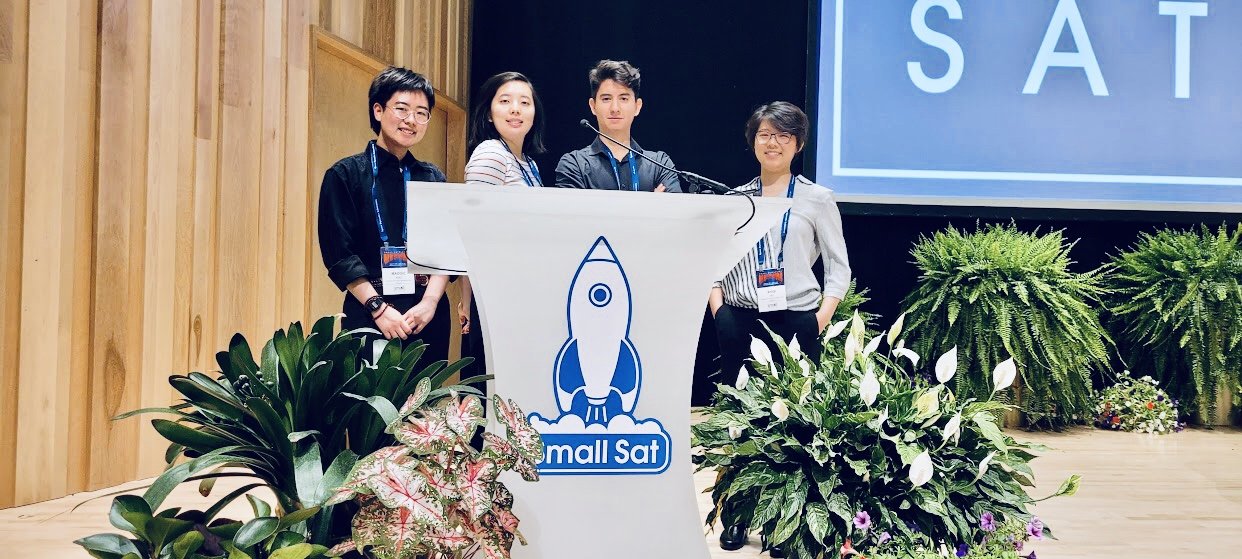
K. Gwozdecky, and S. Dodge. “Alternative Launch Funding for Student Nanosatellite Missions,” in SmallSat, Logan, UT, 2018. [Online]. Available: https://digitalcommons.usu.edu/smallsat/2018/all2018/354/
A. Haydaroglu, R. Howlader, A. N. Mukkala, K. Ren, and E. van Velzen. “Systems Engineering Challenges and Strategies in a Student Satellite Design Team: HERON – A Case Study,” in ISSE, Edinburgh, UK, 2019. [Online]. Available: 10.1109/ISSE46696.2019.8984595
C. Chanen et al. “Inspiring the Next Generation: Challenges and Strategies for Onboarding and Retention in an Undergraduate CubeSat Design Team,” in SmallSat, Logan, UT, 2021. [Online]. Available: https://digitalcommons.usu.edu/smallsat/2021/all2021/17/
A. Miles et al. “FINCH: A Blueprint for Accessible and Scientifically Valuable Remote Sensing Satellite Missions,” in SmallSat, Logan, UT, 2022. [Online]. Available: https://digitalcommons.usu.edu/smallsat/2022/all2022/88/
D. Murdoch et al. “Hot & Cold: The FINCH Thermal Simulator,” in SmallSat, Logan, UT, 2023. [Online]. Available: https://digitalcommons.usu.edu/smallsat/2023/all2023/232/
I. Vyse et al. “Beyond the Visible: Jointly Attending to Spectral and Spatial Dimensions with
HSI-Diffusion for the FINCH Spacecraft,” in SmallSat, Logan, UT, 2024. [Online]. Available: https://digitalcommons.usu.edu/smallsat/2024/all2024/121/
I. Shofman et al. “FINCH EYE: The Optical and Optomechanical Design of a GRISM-Based SWIR Hyperspectral Imaging Payload for a 3U CubeSat,” in SmallSat, Salt Lake City, UT, 2025. [Online]. Available: https://digitalcommons.usu.edu/smallsat/2025/all2025/64/
FINCH Leadership
-
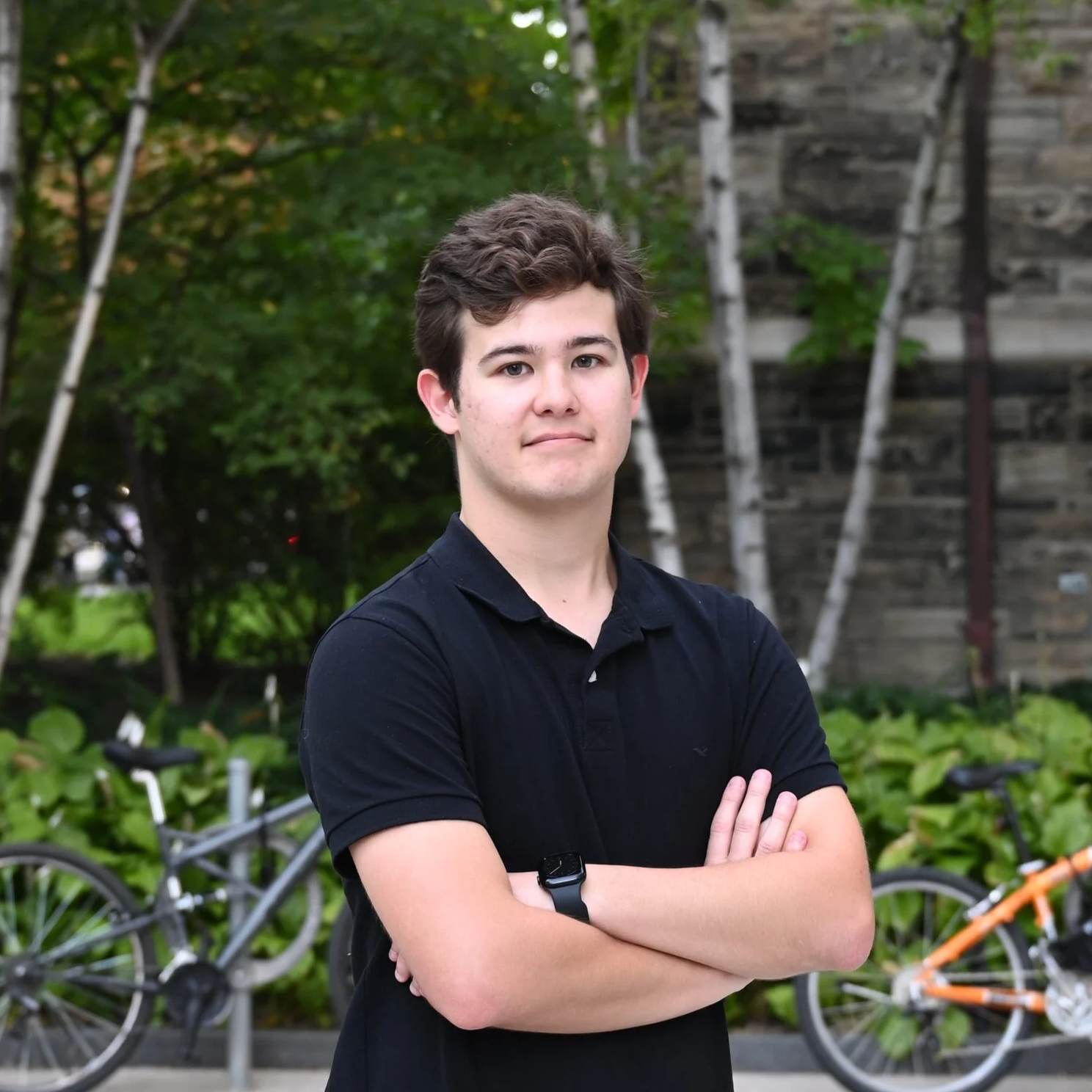
Mário Ghio Neto
Director of Space Systems
-
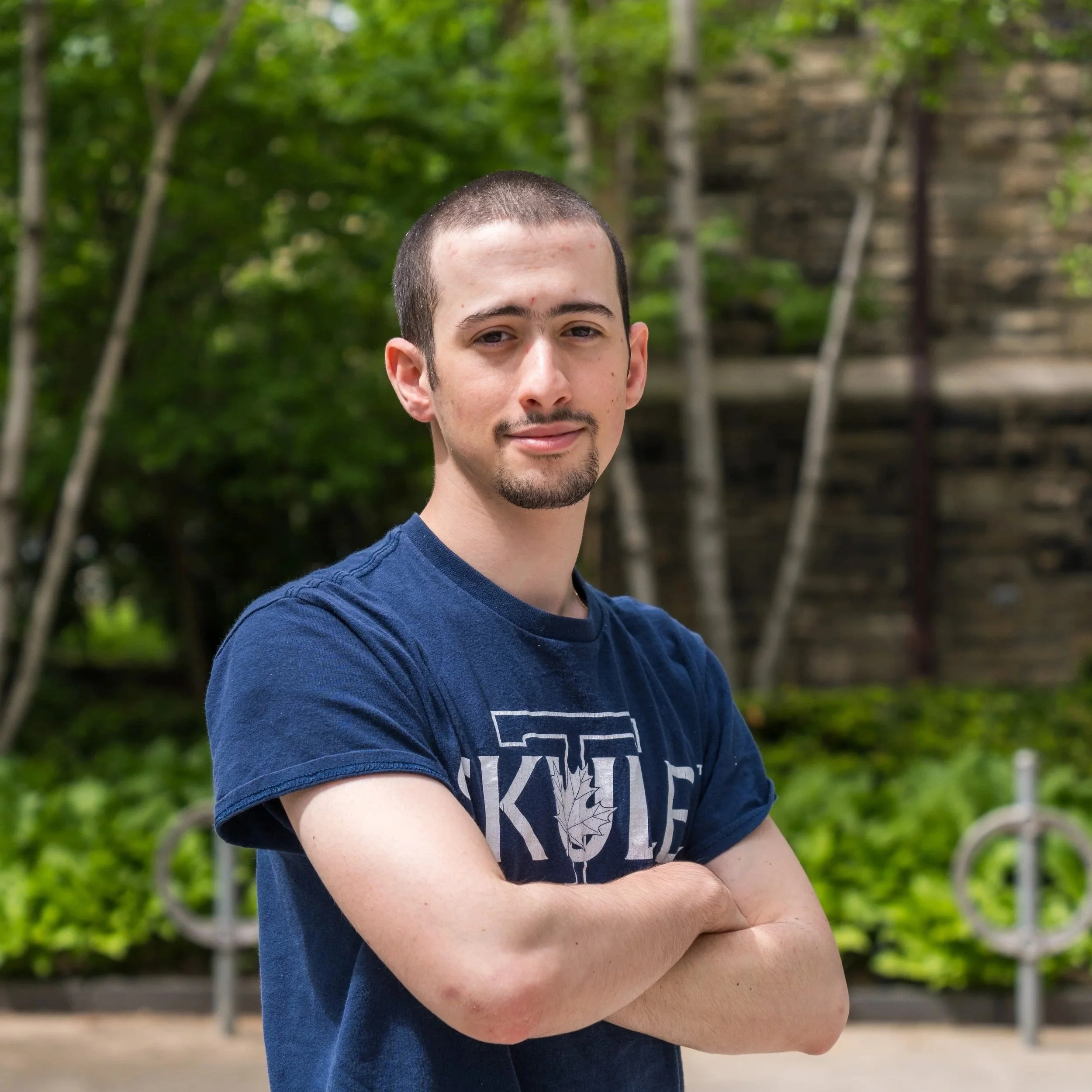
Ben Bornstein
FINCH Systems Design Lead
-

Gauri Karajagi
FINCH Project Manager
-
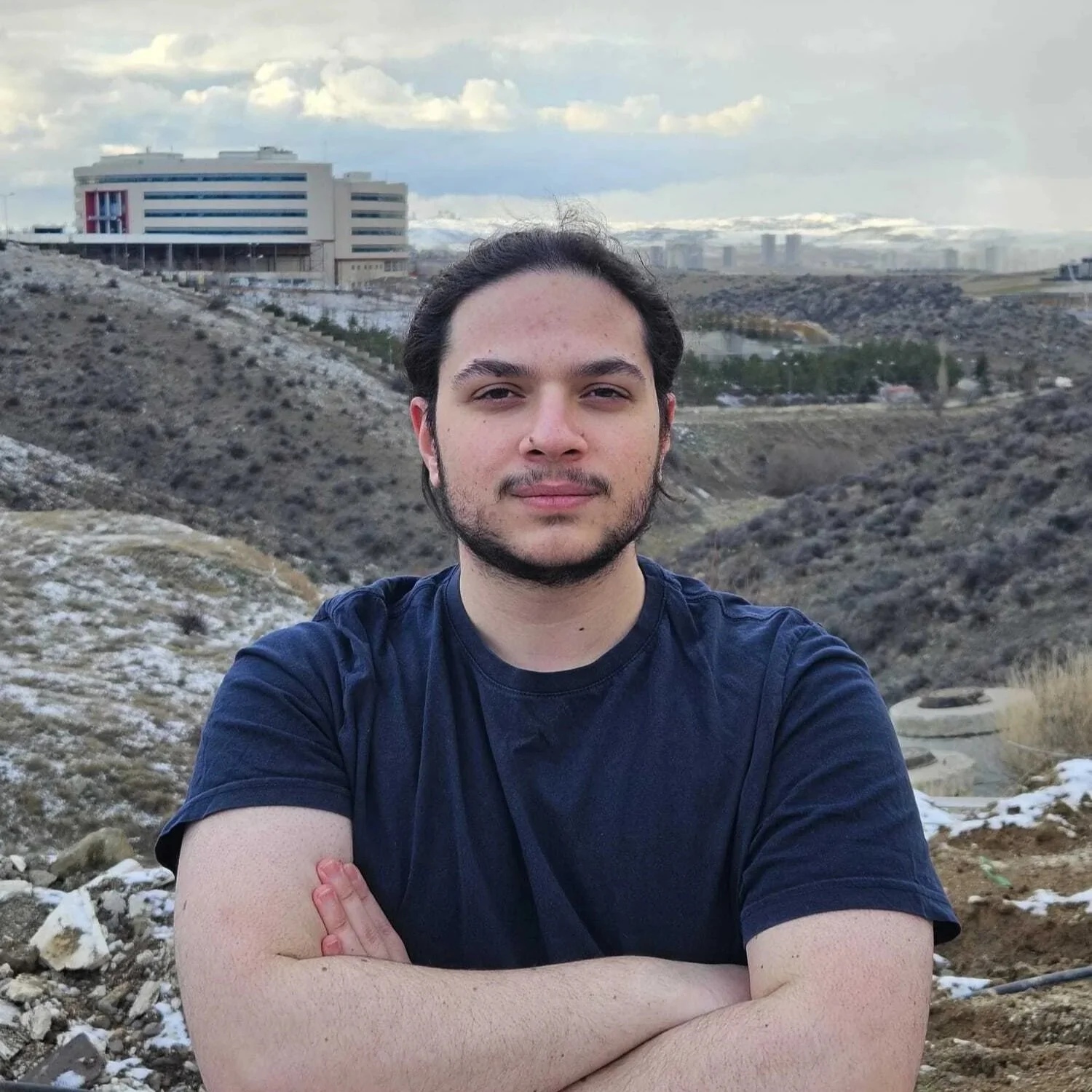
Ege Artan
FINCH Science Lead
-

Iliya Shofman
FINCH Optical Payload Design Lead
-
San Vo
FINCH Payload Mechanical Design Lead
-

Sakeena Qureshi
FINCH Mechanical Design Lead
-

Riann Po
FINCH Thermal Design Lead
-
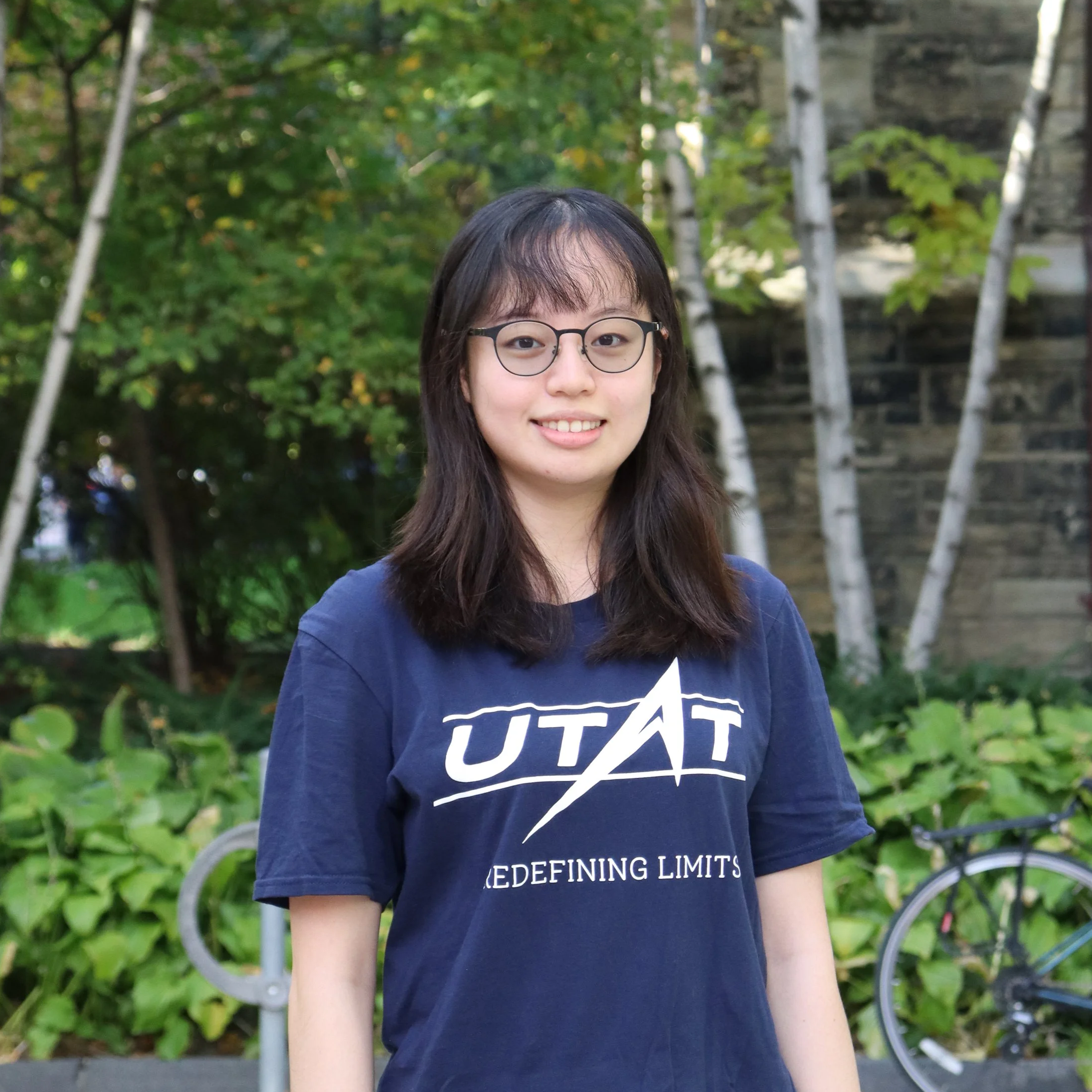
Jenny Hwang
FINCH ADCS Design Lead
-

Coby Silayan
FINCH Hardware & Electrical Design Lead
-

Roshan Yan
FINCH Power Design Lead
-
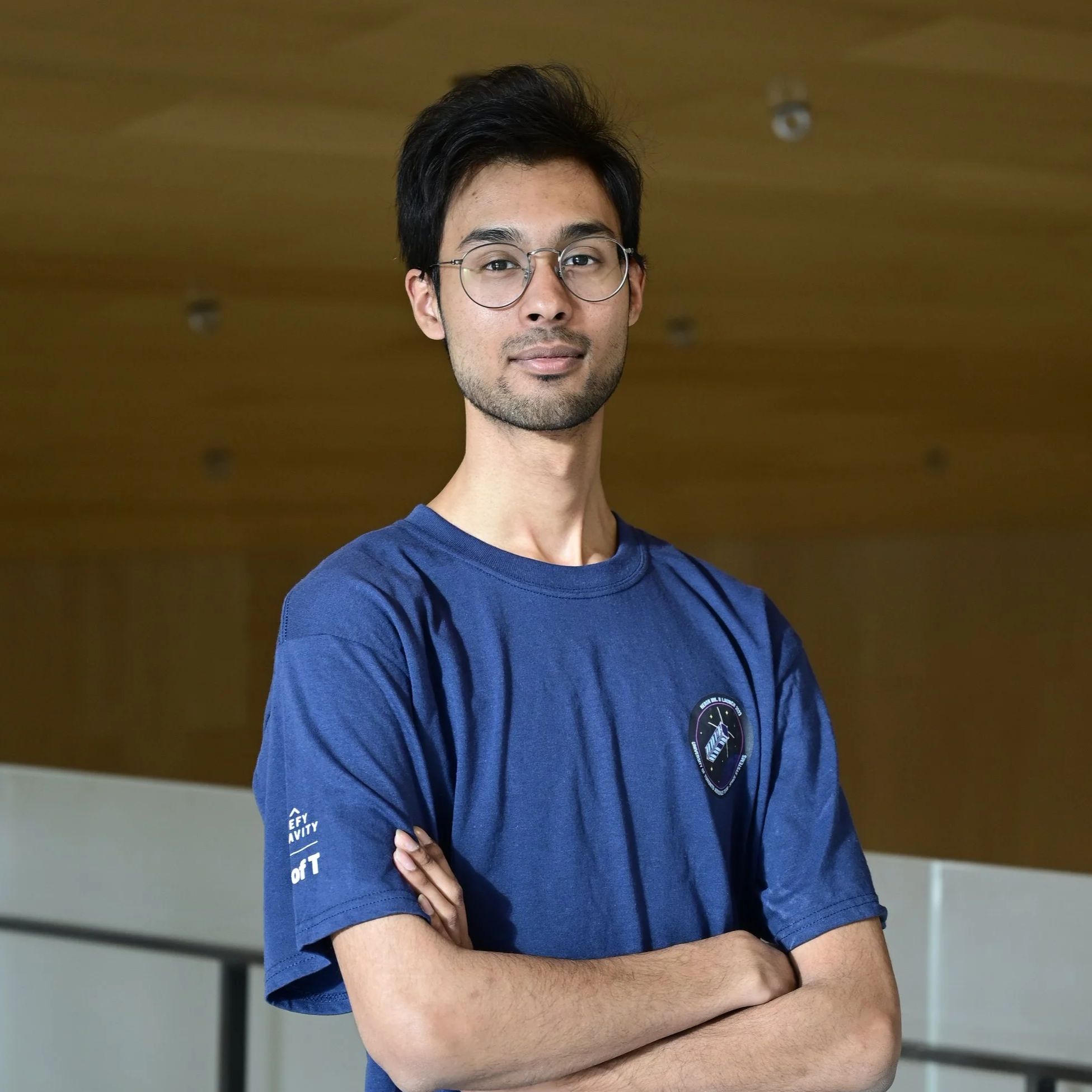
Swarnava Ghosh
FINCH RF Lead
-
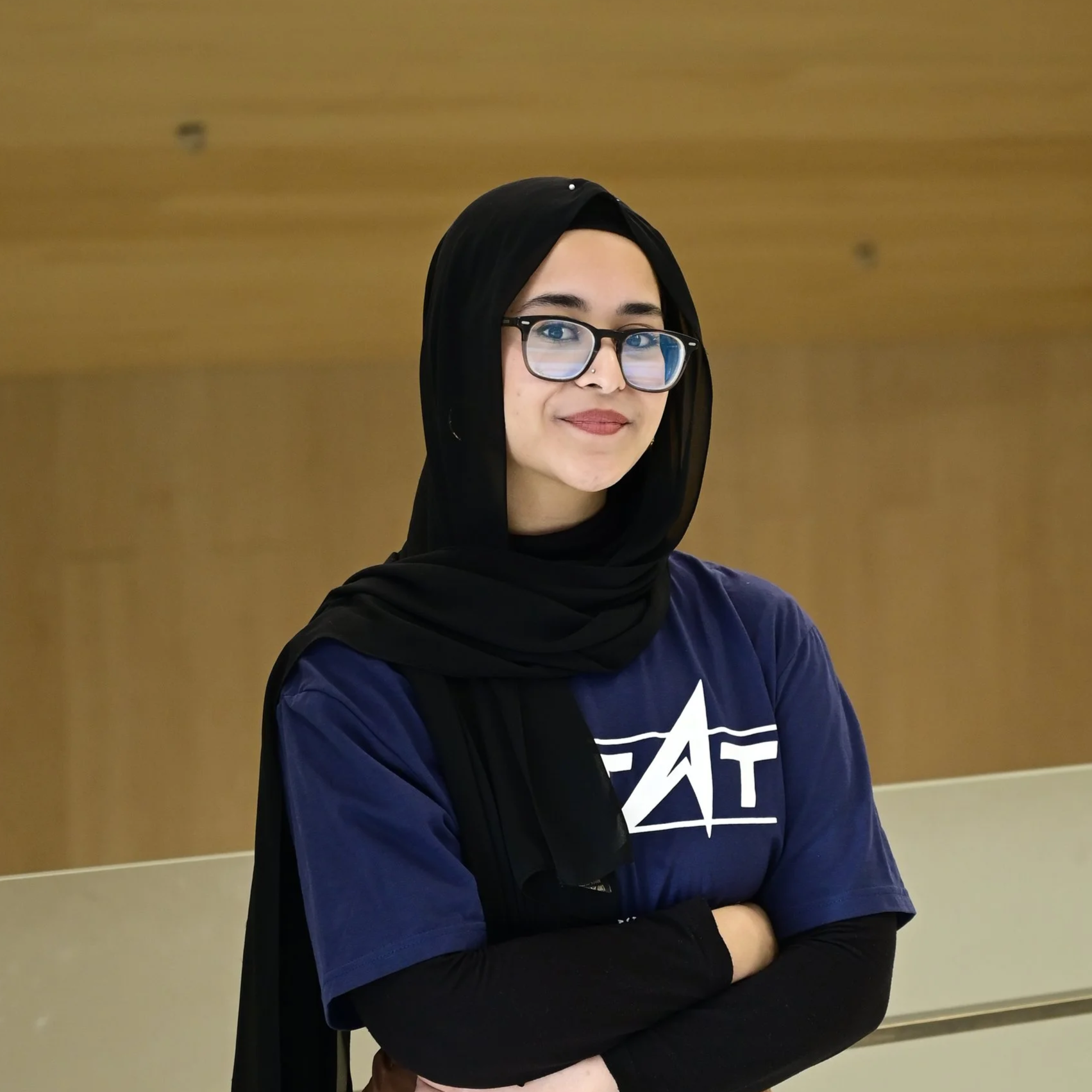
Riaab Zahid
FINCH Mission Operations Lead
-
Alex Apostolu
FINCH Firmware Design Lead
-
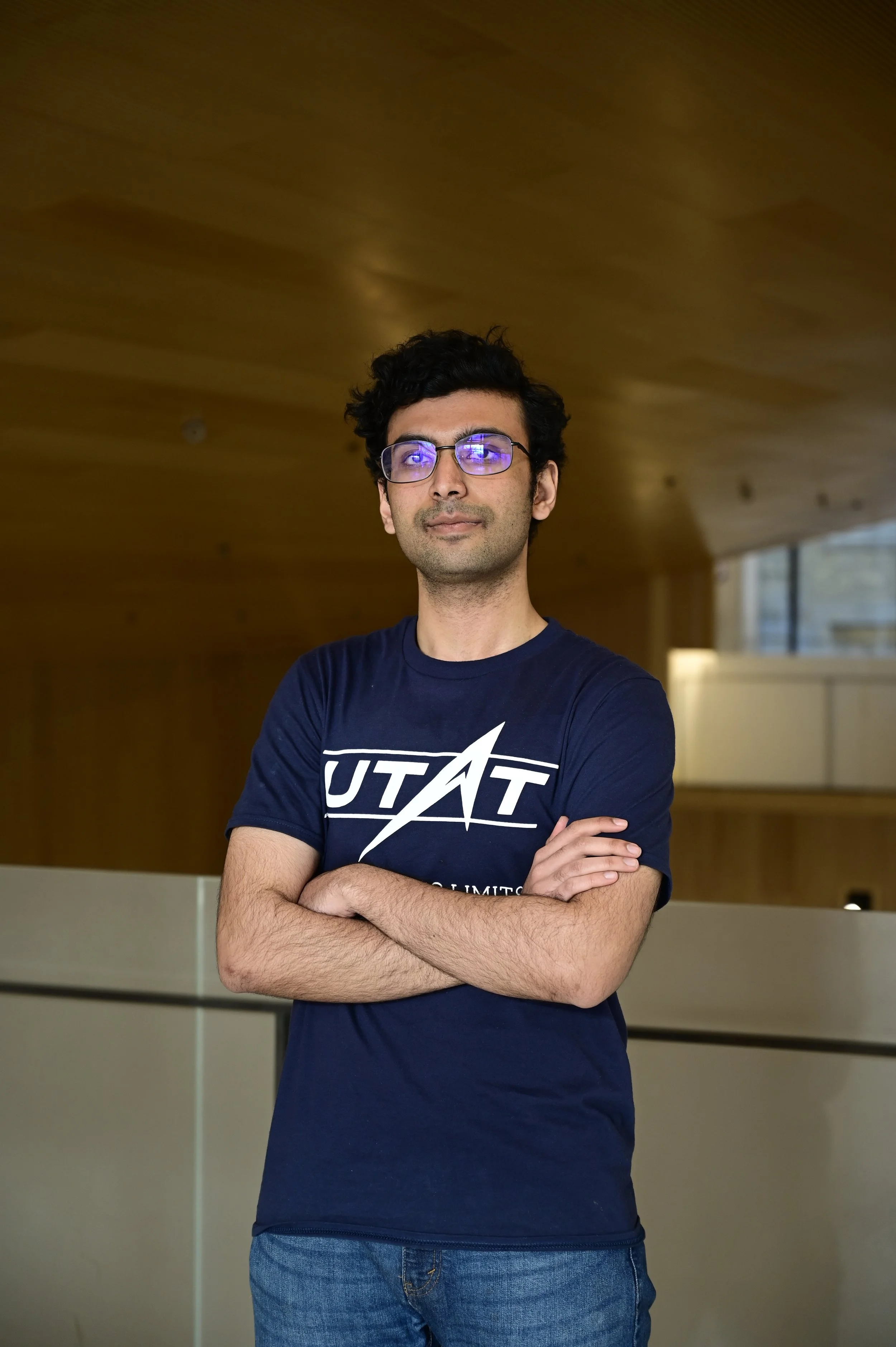
Nooh Adnan
FINCH Data Processing Lead
HERON Leadership
-

Reid Sox-Harris
HERON Mission Operations Lead
-
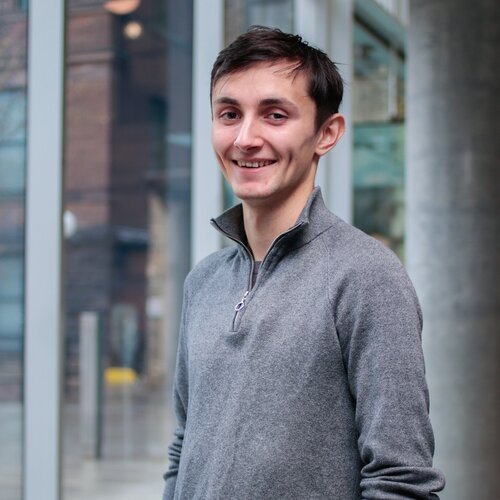
Dylan Vogel
HERON Chief Systems Designer
-

Jaden Reimer
HERON Power Design Lead
-

Eric van Velzen
HERON Thermal Design Lead
-

Lorna Lan
HERON Instrumentation Lead
-

Bruno Almeida
HERON Software Lead
-
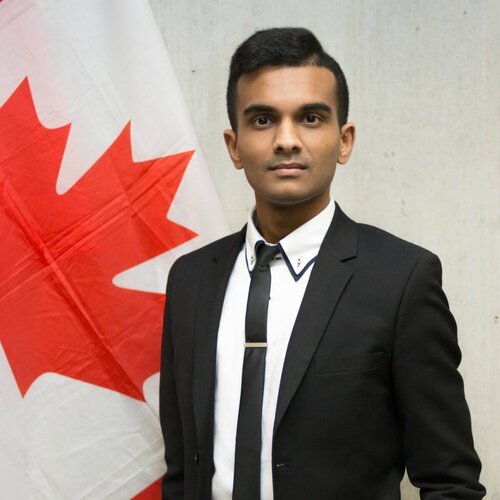
Avinash Mukkala
HERON Technical Advisor
-

Kimberly Ren
HERON Technical Advisor
Space Systems Portfolios
-

Christina Mai
Space Systems Co-Head of Regulatory
-
Sakeena Qureshi
Space Systems Co-Head of Regulatory
-

Hannah Chua
Space Systems Head of Outreach
-
Riaab Zahid
Space Systems Head of Brand & Media
-
Nicolas Chernyakhovsky
Space Systems Head of Finance and Business Development